

Despite the fact that happiness is one of the most popular topics on the internet, most people are unaware of what goes on in their brains when they experience it. It’s not a stroke of luck. It’s not cash. Furthermore, it is most definitely not something that just shows up. The biological process of happiness is influenced by daily routines, interpersonal connections, brain chemistry, and even genetics. Its specific mechanism has been dissected by science for decades, and the results are both startling and extremely useful. Thus, we curate the facts around happiness to dissect why do we feel happy?
What Actually Happens in Your Brain When You Feel Happy
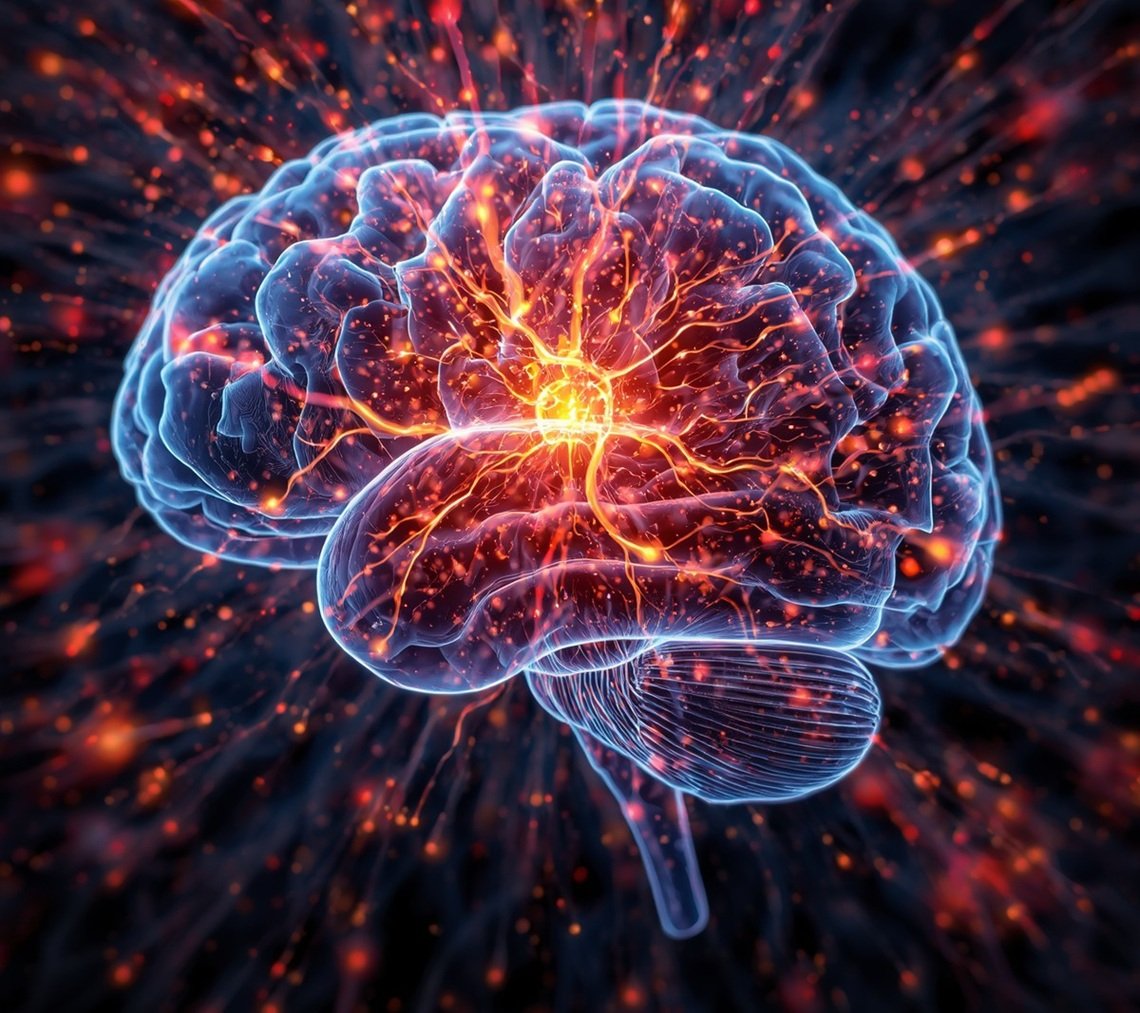
Happiness does not come from a single place in your brain. To produce and control happy feelings, it depends on four main chemical messengers, which are frequently referred to as the happiness hormones. These include endorphins, oxytocin, serotonin, and dopamine. Interestingly, the limbic system, hippocampus, and amygdala are among the brain regions that collaborate with these neurotransmitters to regulate the production and maintenance of happiness, according to neuroscience research.
Dopamine and Serotonin: The Core Duo
The reward chemical in the brain is dopamine. It spikes when you finish a task, reach a goal, or look forward to something wonderful. It encourages you to keep going for goals that feel important and are strongly related to motivation and focus.
One of the mood stabilizers is serotonin. It controls your digestion, emotional equilibrium, and even the quality of your sleep. Anxiety and depression are closely associated with low serotonin levels. The brain’s reward system carefully coordinates the release of these two neurotransmitters, which together form the basis of your emotional wellbeing, based on your everyday experiences.
Oxytocin and Endorphins: The Social and Physical Boost
The term “love hormone” is aptly attributed to oxytocin. It plays a direct part in social connection and trust and is released during acts of charity, bonding moments, and physical contact.
Exercise, laughing, and physical activity release endorphins, which are the body’s natural analgesics. They create fleeting yet potent euphoric sensations. None of these four compounds function on their own. A single walk with a companion can simultaneously stimulate many happiness pathways because the brain coordinates their release.
How Much of Your Happiness Is Genetic
Most people are taken aback by this. You may think that your circumstances determine your level of happiness, but research has other ideas.
You’ve set your baseline, but it’s not fixed.
According to studies on genetic characteristics, between 35 and 50 percent of an individual’s happiness can be attributed to heredity. According to other research, the percentage is more like 30 to 40 percent.
This suggests that although your DNA provides a foundation, your environment, relationships, decisions, and habits determine most of your pleasure. That is truly wonderful news.
The Role of Neuroplasticity
Neuroplasticity, the ability of the brain to change and adapt over the course of a person’s life, is one of the most important discoveries in contemporary neuroscience. This means that by engaging in regular activities like mindfulness meditation, gratitude exercises, and constructive social interactions, we may consciously teach our brains to be happier. Your current brain is not fixed. The findings support the idea that it can be rewired.
The Most Important Factor in a Happy Life
Harvard University started the longest-running scientific investigation of happiness in 1938. For 85 years, the Harvard Study of Adult Development tracked 724 men from youth to old age. Later, it added their spouses and more than 1,300 offspring.
What 85 Years of Research Revealed
Most individuals were surprised by the conclusion, which was derived from tens of thousands of pages of data. It wasn’t money. It wasn’t a successful career. The study’s most obvious takeaway was that healthy relationships make us happier and healthier.
Individuals with the strongest social ties also had the longest lifespans and the best health. Participants who had healthy connections were less likely to get diabetes, arthritis, or heart disease. Additionally, slower rates of cognitive decline and a later onset were associated with wider social networks.
The Cost of Loneliness
The current head of the study, Dr. Robert Waldinger, said that the effects of loneliness on longevity and health are just as strong as those of drunkenness or smoking. This discovery was not insignificant.
Throughout the entire dataset, it was among the strongest signals.
Relationship satisfaction at age 50 was found to be a more accurate indicator of physical health than cholesterol levels. How well you age depends on the caliber of your close relationships, not their number.
What Global Data Tells Us About Happiness Right Now
The science of happiness is not just studied in labs. It is measured across entire nations, giving us a real-time picture of how the world is doing.
The Numbers Behind Global Wellbeing
According to an Ipsos survey done in 30 countries in 2024, 71% of participants said they were pleased, up from 63% in the first year of the COVID-19 epidemic in 2020. According to the World Happiness Report, which is released yearly by the University of Oxford’s Wellbeing Research Centre in collaboration with Gallup, Finland has been the happiest nation in the world for eight years running as of 2025.
A Warning for Younger Generations
The United States had a dramatic change, dropping out of the top 20 happiest nations for the first time since the report’s inception in 2012. The reason was a precipitous decline in the well-being of Americans under thirty. Social isolation and digital media have been cited as major contributing factors to this drop in youth happiness, which is a global concern.
GDP per capita, social support, healthy life expectancy, freedom of choice, generosity, and perceptions of corruption are the six criteria used by the World Happiness Report to rank nations. According to this perspective, happiness is much more than just a sentiment. It is a quantifiable aspect of life.
Practical Ways Science Says You Can Become Happier
The research unequivocally identifies behaviors that have a quantifiable impact on wellbeing. These are not mantras for optimistic thinking. These are scientifically supported methods that directly alter the chemistry of the brain.
Habits That Shift Your Brain Chemistry
- Regularly move your body.
- Exercise raises serotonin and dopamine levels, which consistently boost mood.
- A walk of even thirty minutes can significantly alter one’s emotional condition.
- Be grateful on a regular basis.
According to studies, expressing appreciation causes the production of serotonin and dopamine, which improves brain function over time. Regular thankfulness practitioners also report better sleep and a more robust immune system.
Moreover, Safeguard your sleep. Getting enough sleep is essential to the chemistry of happiness. The availability of neurotransmitters that control mood, concentration, and emotional fortitude is directly decreased by sleep loss.
Lifestyle Choices That Build Long-Term Happiness
Make an investment in your connections. The Harvard data is clear-cut. It’s not soft advice to show up for the people in your life. It is among the most effective health interventions that you may use.
Step outside into the daylight. Exposure to sunlight has a direct impact on mood and emotional equilibrium throughout the day via regulating serotonin synthesis.
The Bottom Line
There is no destination for happiness. Therefore, your brain is continuously striving to preserve or enhance this biological condition, which is influenced by the chemicals it creates, the relationships you cultivate, and the decisions you make each day.
Thus, one thing science has shown is that pursuing wealth, prestige, or the carefully manicured perfection of other people’s lives is pointless. Those who are truly happiest make investments in meaningful activities, solid relationships, and maintain their own physical and emotional well-being. That is completely within your reach, according to the research.