

For thousands of years, humans have looked to the sky in search of meaning, comfort, and direction. From ancient civilizations to modern digital platforms, astrology has remained a powerful system of symbols that connects cosmic cycles with human life.
Astrology studies how celestial cycles reflect human behavior, emotions, and life patterns. From ancient stargazers to modern digital apps, astrology continues to evolve while keeping its core purpose intact.
Rather than predicting fate, astrology offers perspective. It helps people explore identity, timing, and personal growth. This is why astrology still influences culture, conversations, and everyday decisions across the world.
Origins of Astrology in Ancient Societies

Astrology began when early societies observed repeating patterns in the Sun, Moon, and planets. The Babylonians were among the first to document planetary movements and link them to events on Earth. They believed the heavens mirrored human life.
As astrology spread to Egypt, Greece, and Rome, each civilization added its own perspective. Egyptians infused spiritual meaning, Greeks introduced logic and mathematical structure, and Romans popularized astrology throughout their empire.
Throughout history, astrology influenced important decisions. Rulers consulted astrologers before wars and political events, while farmers used star cycles to guide agricultural activities. Over time, astrology evolved from a scholarly system into a personal tool for reflection and understanding.
Key contributions from ancient cultures include:
- Babylonians: systematic observation of planets
- Egyptians: symbolic and spiritual interpretation
- Greeks: theoretical and analytical foundations
- Romans: cultural expansion of astrological ideas
Over time, astrology shifted from a scholarly discipline to a personal tool for reflection and guidance.
How the Zodiac System Was Created?
The zodiac divides the sky into twelve equal segments, each represented by a zodiac sign. These signs follow the Sun’s yearly path and connect seasonal changes with personality traits.
Many interesting facts about astrology reveal that zodiac signs reflect natural rhythms. For example, Aries symbolizes the energy of spring, while Capricorn reflects the discipline of winter. This seasonal connection helped ancient people interpret human behavior.
The Four Zodiac Elements
- Fire: passion and action
- Earth: stability and practicality
- Air: intellect and communication
- Water: emotion and intuition
Each sign carries symbolic meaning rather than fixed destiny. Astrology emphasizes tendencies, not fate. Some interesting facts about astrology show why zodiac descriptions feel relatable across cultures.
The Real Meaning Behind Zodiac Personality Traits

Zodiac traits often feel accurate because they reflect universal human patterns. Astrology uses symbolism, not labels. Each sign represents a range of behaviors.
Some interesting facts about astrology show that traits depend on balance. A confident sign can also struggle with impatience. A sensitive sign can show deep strength. Astrology avoids absolute definitions.
Zodiac traits influence:
- Communication styles
- Emotional reactions
- Decision-making patterns
Astrology encourages self-awareness rather than judgment. People use zodiac traits to reflect on strengths and weaknesses. Some interesting facts about astrology explain why personality astrology remains popular worldwide.
The Twelve Zodiac Signs and Their Meanings
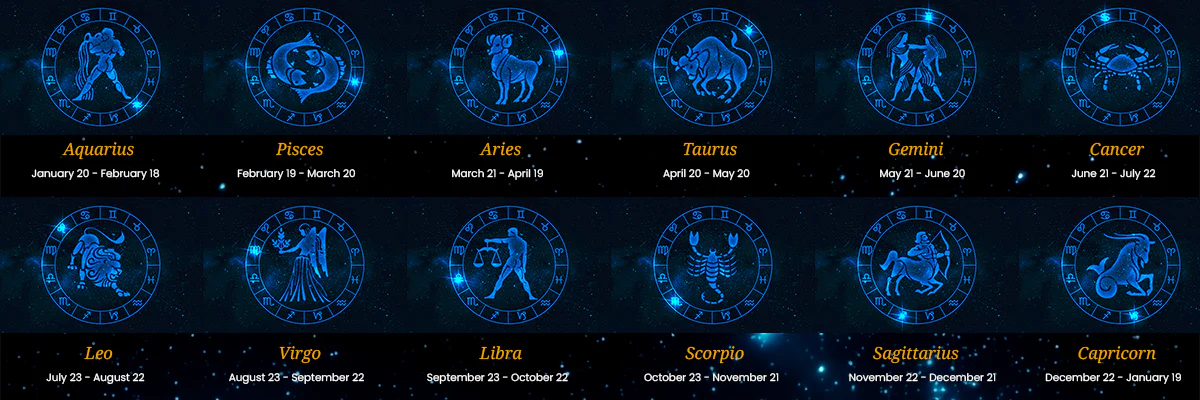
The twelve astrological signs are the most familiar part of Astrology to many readers. Each sign corresponds to a 30-degree segment of the sky and carries an element, modality, and a cluster of symbolic traits linked to both nature and narrative meaning.
At the simplest level, the signs group into four elements — Fire, Earth, Air, and Water. Each element suggests a style of engagement: Fire (action and courage), Earth (stability and care), Air (communication and curiosity), Water (emotion and empathy).
Below is a table summarizing the twelve Zodiac signs, their traditional date ranges, element, and succinct symbolism. This format helps parents quickly locate a child’s sign and consider practical approaches to support temperament.
Sign |
Dates |
Element |
Core Traits |
|---|---|---|---|
| Aries | Mar 21 – Apr 19 | Fire | Energetic, bold, pioneering |
| Taurus | Apr 20 – May 20 | Earth | Loyal, patient, grounded |
| Gemini | May 21 – Jun 20 | Air | Curious, expressive, flexible |
| Cancer | Jun 21 – Jul 22 | Water | Caring, intuitive, protective |
| Leo | Jul 23 – Aug 22 | Fire | Creative, confident, warm |
| Virgo | Aug 23 – Sep 22 | Earth | Detail‑focused, practical, helpful |
| Libra | Sep 23 – Oct 22 | Air | Fair‑minded, social, diplomatic |
| Scorpio | Oct 23 – Nov 21 | Water | Deep, passionate, perceptive |
| Sagittarius | Nov 22 – Dec 21 | Fire | Adventurous, optimistic, honest |
| Capricorn | Dec 22 – Jan 19 | Earth | Disciplined, ambitious, patient |
| Aquarius | Jan 20 – Feb 18 | Air | Innovative, independent, idealistic |
| Pisces | Feb 19 – Mar 20 | Water | maginative, compassionate, sensitive |
Planetary Symbolism in Astrology
In astrology, planets symbolize psychological drives and life themes rather than physical causes.
Planetary Meanings
- Sun: identity and purpose
- Moon: emotions and instincts
- Mercury: communication and thinking
- Venus: love and values
- Mars: action and motivation
- Jupiter: growth and expansion
- Saturn: discipline and responsibility
Inner planets influence daily behavior, while outer planets reflect long-term and generational patterns.
Birth Charts and Their Importance
A birth chart maps the sky at the moment of birth. It includes signs, planets, and houses. This chart forms the foundation of personal astrology.
Some interesting facts about astrology reveal that birth charts provide depth beyond sun signs. The moon and rising signs add emotional and social layers.
Key Chart Components
- Sun sign: core identity
- Moon sign: emotional nature
- Rising sign: outward personality
Birth charts highlight potential rather than destiny. Astrology promotes awareness and conscious choice. Some interesting facts about astrology show why personal charts feel more accurate than general horoscopes.
Astrological Houses Explained
Astrological houses represent life areas. There are twelve houses in every chart. Each house governs specific experiences.
House Examples
- First: identity
- Seventh: relationships
- Tenth: career
- Fourth: home
Some interesting facts about astrology show that planets express differently based on house placement. A planet in the career house affects ambition. In the relationship house, it affects partnerships.
Houses add practical context to astrology. They connect symbolism with daily life. Some interesting facts about astrology explain why houses complete the chart system.
Astrology vs Astronomy: Clearing the Confusion

Astrology and astronomy once shared common roots but developed into separate disciplines. Astronomy studies physical space, while astrology interprets symbolic meaning.
Astrology |
Astronomy |
| Symbolic | Scientific |
| Human‑focused | Space‑focused |
| Interpretive | Observational |
Understanding this distinction helps clear confusion and highlights why both fields continue to coexist.
Cultural Variations of Astrology Worldwide
Astrology exists globally in many forms. Western astrology uses zodiac signs. Chinese astrology follows animal cycles. Indian astrology emphasizes karma and timing.
Some interesting facts about astrology show that different systems share core principles. All focus on cycles, timing, and human experience.
Astrology adapts to culture without losing essence. This flexibility explains its survival. Some interesting facts about astrology reveal astrology’s global appeal.
Astrology and Human Psychology
Astrology connects deeply with psychology. It provides language for emotions and patterns. Many people use astrology for self-reflection.
Some interesting facts about astrology show that astrology supports mindfulness. It encourages observation rather than blame.
Psychological benefits include:
- Self-awareness
- Emotional insight
- Personal growth
Astrology does not replace psychology. It complements reflection. Some interesting facts about astrology explain its emotional appeal.
Astrology in Modern Digital Life
Astrology thrives online. Apps, social media, and digital charts increase access. Technology simplifies calculations.
Some interesting facts about astrology show younger generations embrace astrology as identity language. Visual content makes astrology engaging.
Digital astrology keeps ancient wisdom alive. Some interesting facts about astrology explain why astrology fits modern platforms.
Common Astrology Myths
Many misconceptions surround astrology.
Common myths include:
- Astrology predicts exact futures
- Only sun signs matter
- Astrology rejects logic
In reality, astrology highlights tendencies and patterns while supporting free will.
Astrology and Relationships
Astrology explores relationship dynamics by examining emotional needs, communication styles, and compatibility patterns. Through a method called synastry, astrologers compare two birth charts to understand how individuals interact with each other.
Some interesting facts about astrology show that planetary placements can highlight areas of harmony and potential conflict. Astrology does not decide whether a relationship will succeed or fail.
Instead, it helps people understand differences, expectations, and emotional responses. Many couples use astrology to improve communication and empathy. By recognizing personal needs and boundaries, astrology supports healthier and more conscious relationships.
Astrology and Career Guidance
Astrology often provides insight into career preferences, work habits, and professional strengths. The tenth house, ruling planets, and key aspects in a birth chart can reflect ambition, leadership style, and career motivation.
Some interesting facts about astrology show that people use astrology to identify talents and suitable work environments. Astrology does not replace education, skills, or experience. Instead, it offers direction and self-awareness.
By understanding natural inclinations, individuals can make better career choices. Astrology supports long-term planning by aligning personal strengths with professional goals.
Why Astrology Still Matters Today
Astrology still matters because people continue to search for meaning, direction, and self-understanding. In a fast-changing world, astrology offers symbolic clarity and emotional perspective.
Some interesting facts about astrology show that astrology helps people navigate change by recognizing cycles and timing. It encourages reflection rather than fear. Astrology adapts to modern lifestyles through digital platforms while keeping its core principles intact.
Its relevance lies in its ability to connect personal experiences with larger patterns. Astrology remains meaningful because it speaks to universal human curiosity and growth.
The Future of Astrology
The future of astrology looks strong as technology expands access and awareness worldwide. Online tools and apps make birth chart analysis faster and more accessible.
Some interesting facts about astrology show that astrology continues to evolve without losing its symbolic foundation. Human interpretation remains central, even with digital support.
Future astrology will likely blend tradition with innovation. Cultural diversity will further enrich astrological perspectives. As long as people seek self-awareness and meaning, astrology will remain relevant. Its adaptability ensures that astrology stays timeless in a modern world.
Faqs About Facts About Astrology
Is astrology considered a science?
Astrology is not classified as a scientific discipline. It works as a symbolic and interpretive system. People use it for insight, reflection, and understanding patterns.
Can astrology accurately predict the future?
Astrology does not predict exact future events. It highlights trends, cycles, and possible influences. Personal choices still play the most important role.
Why do so many people believe in astrology?
Astrology helps people understand themselves better. It offers emotional clarity and personal reflection. Many find comfort in its symbolic explanations.
Are daily horoscopes reliable for everyone?
Daily horoscopes are general and broad in nature. They are based mainly on sun signs. Full birth charts provide deeper and more personal insight.
Is astrology practiced the same way worldwide?
Astrology exists in many forms across cultures. Western, Chinese, and Indian systems differ greatly. Each reflects its culture while sharing core ideas.
Final Thought:
Astrology has survived because it speaks to universal human curiosity and the search for meaning. It does not demand belief but invites reflection.
Across history and cultures, astrology has served as a mirror rather than a map. In a constantly changing world, it reminds us that growth follows cycles, awareness creates choice, and meaning often begins by looking toward the stars.
Some interesting facts about astrology reveal astrology as a mirror, not a map. In a changing world, astrology reminds us that growth follows cycles, awareness creates choice, and meaning often begins by looking upward.