
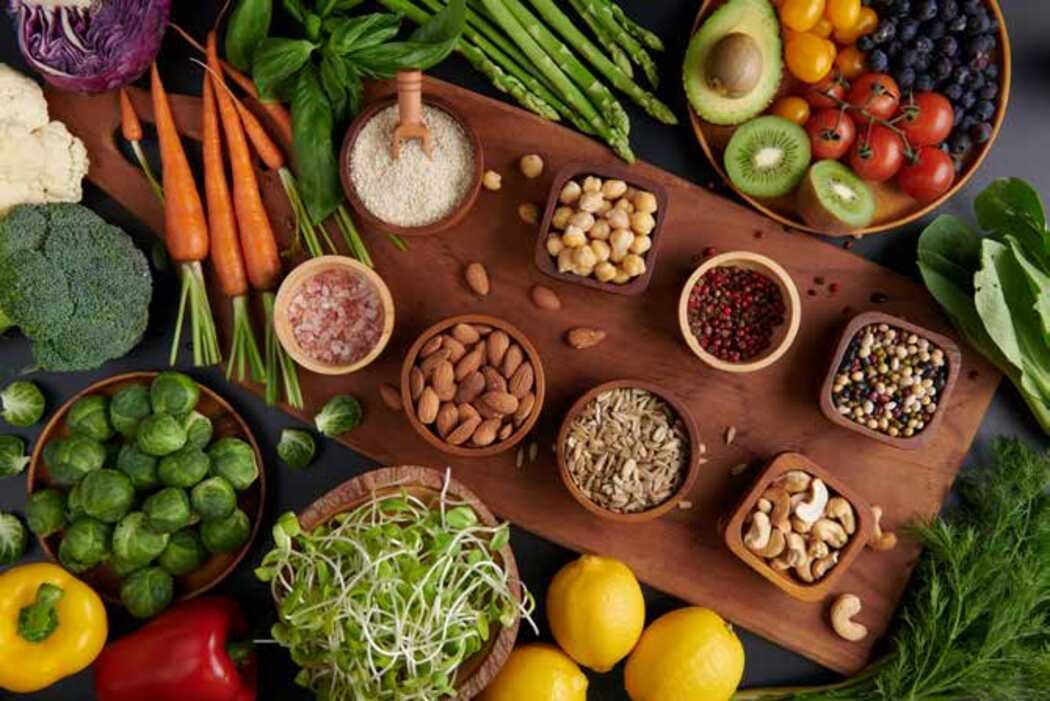
Nutrition that govern how we function daily. Nutrition is not merely about eating; it is the complex process of nourishing your cells to ensure longevity and energy. Many people struggle with dietary choices because they lack a foundational understanding of what their food contains.
This comprehensive guide aims to break down the barriers between complex science and your dinner plate. By focusing on global health standards, we provide insights that transcend regional diets. You are an athlete or someone looking to shed a few pounds, these facts will serve as your roadmap.
Fueling your body correctly reduces the risk of chronic diseases and enhances mental clarity. Let us dive deep into the essential elements of human nutrition and discover how small changes lead to massive life transformations.
What is nutrition and why is it important?
Nutrition refers to consuming a regular, balanced diet that provides the body with the nutrients it needs to function properly. Good nutrition fuels the body and supports essential systems, including the brain, muscles, bones, nerves, skin, blood circulation, and immune defenses. Eating well also plays a key role in preventing and managing illnesses such as heart disease, diabetes, cancer, and osteoporosis.
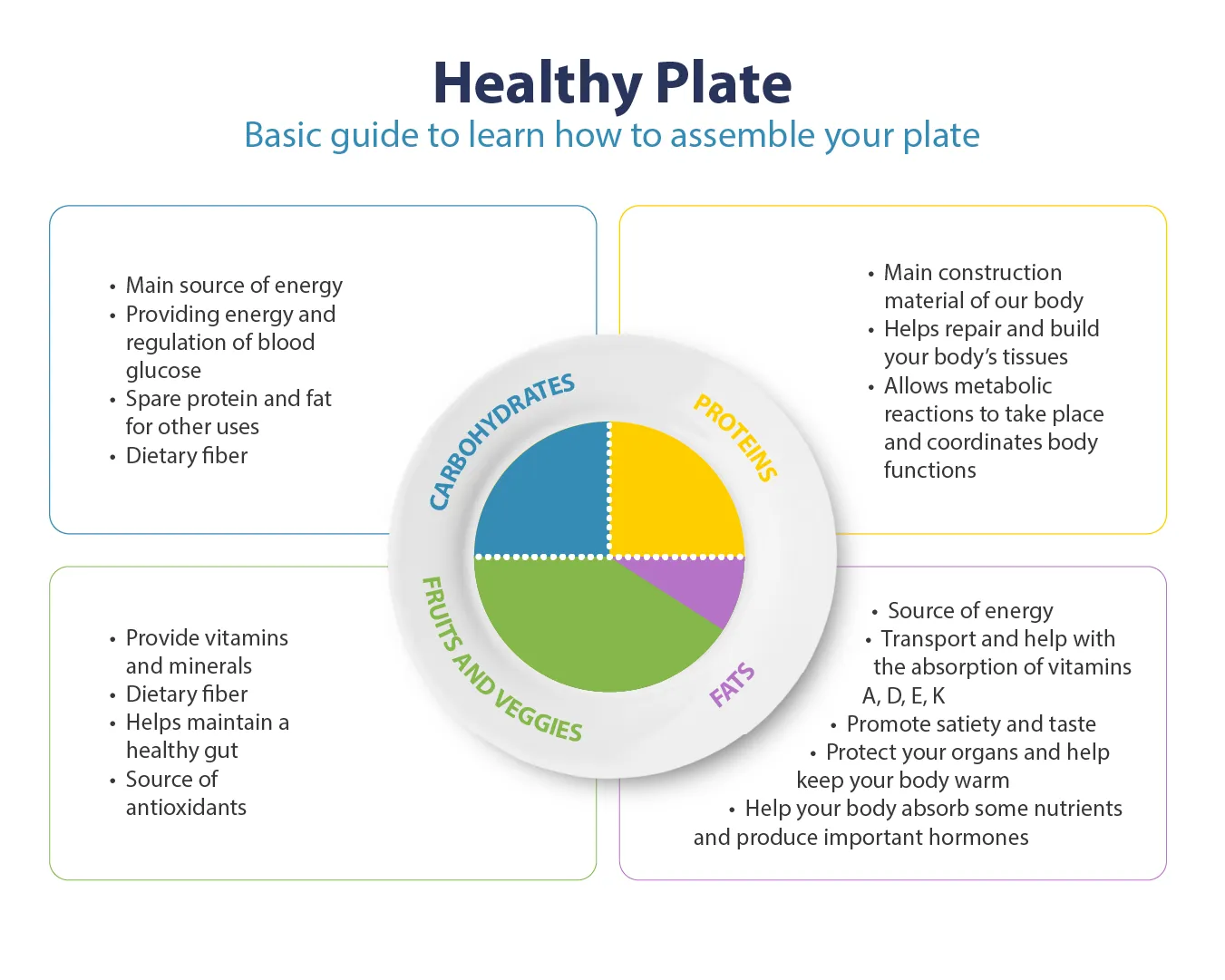
Nutrients in food are generally grouped into two main categories: macronutrients and micronutrients. Macronutrients include carbohydrates, proteins, and fats. These nutrients provide energy in the form of calories and act as the primary building blocks for body tissues and muscles.
Micronutrients, on the other hand, consist of vitamins and minerals that the body needs in smaller amounts but are equally important for overall health. They are classified into four groups: water-soluble vitamins, fat-soluble vitamins, major (macro) minerals, and trace minerals. Together, macronutrients and micronutrients work to keep the body healthy, strong, and functioning efficiently.
The Role of Macronutrients
Macronutrients form the bulk of our daily caloric intake. These include carbohydrates, proteins, and fats. Each plays a specific role in maintaining bodily functions.
Carbohydrates are the primary energy source for the brain and muscles. Proteins act as building blocks for tissues, enzymes, and hormones.
Fats are essential for hormone production and nutrient absorption. A balanced diet requires a strategic mix of these three. Most global health organizations recommend a distribution that favors complex carbs and lean proteins. Many people fear fats, yet healthy fats like Omega-3s are vital for heart health.
When you start listing some facts on nutrition, the balance of macros is always the starting point. Without this balance, the body enters a state of metabolic stress.
Micronutrients: The Hidden Heroes

Micronutrients consist of vitamins and minerals required in smaller amounts. Though small in quantity, their impact is monumental. Vitamins like A, C, and D support the immune system and bone health.
Minerals such as iron, magnesium, and calcium facilitate oxygen transport and nerve signaling. A deficiency in even one micronutrient can lead to severe health complications like anemia or scurvy.
Eating a “rainbow” of vegetables ensures a wide spectrum of these nutrients. Modern soil depletion has made it harder to get these from food alone, yet a diverse diet remains the best source. By listing some facts on nutrition regarding minerals, we see how vital they are for daily enzymatic reactions. Never overlook the power of the small stuff.
Nutrient |
Primary Source |
Major Benefit |
|
Vitamin C |
Citrus Fruits | Immune Support |
| Iron | Spinach/Red Meat |
Oxygen Transport |
| Calcium | Dairy/Leafy Greens |
Bone Strength |
| Magnesium | Nuts/Seeds |
Nerve Function |
The Power of Hydration
Water is the most critical nutrient for human survival. Every cell in the human body requires water to function efficiently. It regulates body temperature, lubricates joints, and flushes out toxins through the kidneys.
Many people mistake thirst for hunger, leading to overeating. Staying hydrated improves skin elasticity and boosts cognitive performance. Dehydration leads to fatigue and headaches almost instantly.
While “eight glasses a day” is a common rule, actual needs vary based on activity and climate. Drinking water before meals can also aid in weight management. When listing some facts on nutrition, hydration stands out as the simplest yet most neglected component. Always carry a reusable bottle to ensure you meet your daily intake goals.
- Drink a glass of water immediately upon waking.
- Replace sugary sodas with sparkling water.
- Eat water-rich foods like cucumber and watermelon.
- Monitor hydration levels through urine color.
Understanding Caloric Density
Caloric density refers to the number of calories in a specific weight of food. Foods with high caloric density, like butter or fried snacks, provide many calories in small portions.
Conversely, vegetables have low caloric density, allowing you to eat large volumes for few calories. Understanding this concept is the key to sustainable weight loss. If you fill your plate with high-volume, low-calorie foods, you feel full longer. This prevents the “starvation mode” associated with many restrictive diets.
It is about the quality of the calorie, not just the number. Choosing whole foods over processed ones naturally optimizes caloric density.
Protein for Muscle and Repair
Protein is often called the “building block of life.” It is composed of amino acids, some of which the body cannot produce on its own. These are known as essential amino acids. High-quality protein sources include eggs, fish, poultry, and legumes.
Protein is not just for bodybuilders; it is crucial for skin, hair, and nail health. It also has a high thermic effect, meaning the body burns more energy digesting it. This makes protein a vital ally in metabolic health.
When listing some facts on nutrition, protein’s role in satiety is frequently highlighted. It keeps you feeling full and prevents muscle wasting during weight loss. Ensure every meal contains a reliable protein source to maintain lean muscle mass.
Carbohydrates: Energy or Enemy?
Carbohydrates often receive bad press in the modern fitness world. However, they remain the body’s preferred fuel source. The key lies in choosing “complex” over “simple” carbs.
Complex carbohydrates, like oats and quinoa, digest slowly and provide steady energy. Simple carbs, like refined sugar, cause rapid insulin spikes and subsequent crashes. These crashes lead to cravings and irritability.
Nutrition related to glucose, we learn how to manage energy levels. Fiber is a type of carbohydrate that the body cannot digest, yet it is essential for gut health. Aim for high-fiber carb sources to keep your digestive system running smoothly. Balance is the key to utilizing carbs effectively.
The Truth About Dietary Fats
Fats were once vilified, but we now know they are essential for health. Saturated fats should be consumed in moderation, while trans fats should be avoided entirely.
Unsaturated fats, found in avocados and olive oil, protect the heart and reduce inflammation. Fats are also necessary for the absorption of fat-soluble vitamins (A, D, E, and K). Without dietary fat, your body cannot utilize these nutrients, no matter how many supplements you take.
When nutrition, the distinction between “good” and “bad” fats is vital. Including healthy fats in your diet supports brain health, as the brain is nearly 60% fat. Don’t fear the fat; choose the right sources to thrive.
Fiber: The Digestive Cleaner
Fiber is a superhero for the digestive tract. It comes in two forms: soluble and insoluble. Soluble fiber dissolves in water and helps lower cholesterol and blood sugar.
Insoluble fiber adds bulk to the stool and prevents constipation. Most people globally do not meet the recommended daily intake of fiber. High-fiber diets are linked to lower risks of heart disease and type 2 diabetes.
It slows down the absorption of sugar, preventing the dreaded insulin spike. Beans, lentils, whole grains, and fruits are excellent sources. Make fiber a priority to ensure long-term metabolic and digestive health.
The Impact of Processed Foods
Processed foods are often stripped of nutrients and loaded with additives. They contain high levels of sodium, sugar, and unhealthy oils to extend shelf life. These ingredients contribute to chronic inflammation and weight gain. While “processing” can include simple things like freezing, the “ultra-processed” category is the real danger.
These items are designed to be hyper-palatable, making them addictive. When nutrition, the dangers of hidden sugars in processed foods are paramount. Reducing intake of these foods can rapidly improve blood pressure and energy. Focus on “whole” foods—those that look like they did in nature. Your body will recognize and utilize these nutrients much more effectively than synthetic alternatives.
Sugar: The Sweet Addiction
Refined sugar is perhaps the most significant contributor to global health crises. It provides “empty calories,” meaning energy without any nutritional value. Excessive sugar consumption is linked to obesity, tooth decay, and non-alcoholic fatty liver disease. The brain reacts to sugar much like it does to certain drugs, creating a cycle of craving.
It regarding sweeteners, we identify hidden sugars in sauces, breads, and yogurts. Natural sugars in fruit come with fiber, which mitigates the negative effects. However, added sugars offer no such protection. Reducing sugar intake is often the single most effective step toward better health. Pay attention to labels and choose unsweetened versions of your favorite staples.
Vitamins and Their Functions
Vitamins are organic compounds that trigger thousands of chemical reactions. Vitamin A is essential for vision and skin health. The B-complex vitamins are vital for energy metabolism and brain function. Vitamin D, often called the sunshine vitamin, is crucial for calcium absorption and immune defense. Vitamin K plays a major role in blood clotting and bone metabolism.
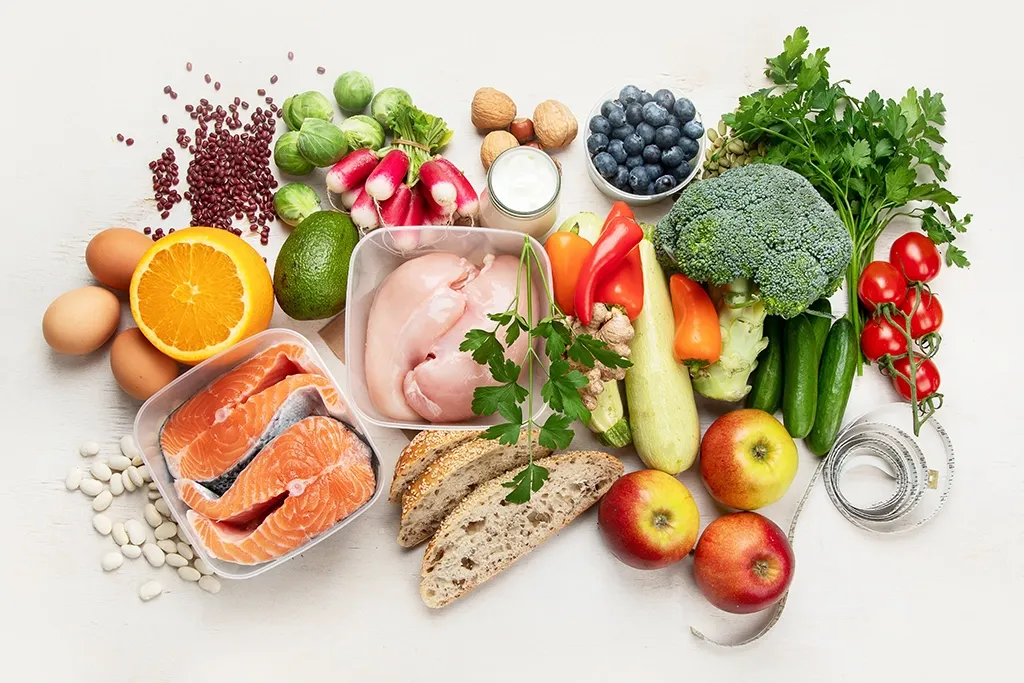
While supplements can help, vitamins are most bioavailable when consumed through food. A diverse diet ensures you get the full spectrum of these life-sustaining compounds. Prioritize nutrient density to maximize your vitamin intake naturally every day.
Minerals: The Elemental Foundation
Minerals are inorganic elements that originate from the earth. They are absorbed by plants or consumed by animals. Potassium is critical for heart rhythm and fluid balance. Zinc supports the immune system and wound healing. Phosphorus is necessary for the formation of DNA and cell membranes.
Many people suffer from magnesium deficiency, leading to muscle cramps and anxiety. Unlike vitamins, minerals are not destroyed by heat or air. However, they can be leached into cooking water. Steaming vegetables is often better than boiling to preserve these essential elements. Keep your mineral levels high for peak performance.
Gut Health and Probiotics
The gut is often called the “second brain.” It houses trillions of bacteria that influence everything from mood to immunity. Probiotics are “good” bacteria found in fermented foods like yogurt, kefir, and sauerkraut.
Prebiotics are fibers that feed these beneficial bacteria. A healthy gut microbiome improves nutrient absorption and protects against pathogens. The gut-brain axis is a fascinating topic.
Scientists now know that gut health directly affects mental clarity and emotional stability. A diet high in sugar and processed foods destroys gut diversity. Conversely, a plant-rich diet fosters a flourishing internal ecosystem. Treat your gut well, and it will reward you with better overall health.
Food Category |
Examples |
Benefit |
|
Fermented |
Kimchi, Miso |
Adds Good Bacteria |
| High Fiber | Onions, Garlic |
Feeds Good Bacteria |
| Polyphenols | Dark Chocolate, Tea |
Supports Gut Lining |
Timing and Frequency of Meals
Does it matter when you eat? Research suggests that meal timing can influence metabolic health. Some people thrive on three square meals, while others prefer intermittent fasting.
The key is consistency and listening to your body’s hunger cues. Eating a heavy meal late at night can disrupt sleep and digestion. Breakfast provides the initial fuel to kickstart your metabolism for the day. Nutrition about timing, we see that “when” you eat can be as important as “what” you eat.
However, total daily intake remains the most significant factor for weight management. Find a schedule that fits your lifestyle and stick to it for the best results.
The Importance of Bioavailability
Bioavailability refers to the proportion of a nutrient that is absorbed and utilized by the body. Not all nutrients you consume actually reach your bloodstream. For instance, the iron found in plants (non-heme iron) is absorbed less efficiently than the iron found in meat (heme iron). However, you can enhance absorption by pairing plant-based iron with Vitamin C.
By listing some facts on nutrition regarding absorption, we learn that food synergy is vital. Fat-soluble vitamins require a source of dietary fat to be processed.
If you eat a dry salad without dressing, you may miss out on the nutrients in the greens. Understanding bioavailability ensures that the effort you put into eating healthy actually pays off at a cellular level.
The Science of Metabolism
Metabolism is the chemical process your body uses to convert food into energy. It is not a fixed rate; it is influenced by age, muscle mass, and activity levels. Basal Metabolic Rate (BMR) is the energy expended while at rest. Increasing muscle mass through strength training can naturally boost your BMR, as muscle burns more calories than fat.
We must acknowledge that “slow metabolism” is often a result of low activity and poor muscle tone rather than genetics alone. Consuming enough protein and staying active keeps the metabolic fire burning. Hormones like thyroid and insulin also play massive roles in regulating how your body stores or burns energy.
Antioxidants and Oxidative Stress
Antioxidants are molecules that fight free radicals in your body. Free radicals are unstable atoms that can damage cells, leading to aging and diseases like cancer. These compounds are found in abundance in colorful fruits and vegetables, such as blueberries, kale, and beets. Nutrition about oxidative stress, we see how antioxidants act as a defense system.
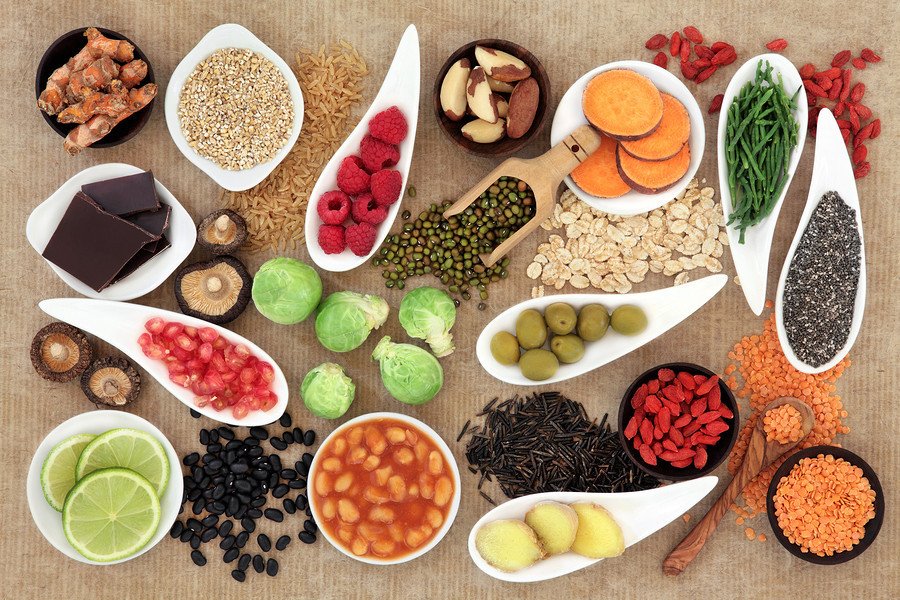
They “neutralize” the damage caused by pollution, UV rays, and poor diet. Common antioxidants include Vitamin E, Vitamin C, and Beta-carotene. A diet rich in these substances acts as an internal shield, preserving your DNA and skin health.
The Role of Sodium and Potassium
The balance between sodium and potassium is a cornerstone of cardiovascular health. Sodium causes the body to retain water, which can increase blood pressure. Potassium, on the other hand, helps relax blood vessel walls and promotes the excretion of sodium. Most modern diets are dangerously high in sodium due to processed foods and low in potassium due to a lack of fresh produce.
This ratio is often cited as a key indicator of heart health. To balance these levels, one should reduce salt intake and increase consumption of bananas, potatoes, and spinach. This simple adjustment can significantly lower the risk of stroke and heart attack.
Phytochemicals: Nature’s Pharmacy
Phytochemicals are bioactive compounds produced by plants. Unlike vitamins and minerals, they are not “essential” for life, but they are essential for optimal health. They give plants their color, flavor, and smell. Examples include lycopene in tomatoes, which supports prostate health, and isoflavones in soy, which may help regulate hormones.
Nutrition regarding phytochemicals, we understand why whole foods are superior to supplements. Supplements often isolate one nutrient, while whole foods provide a complex web of phytochemicals that work together. These compounds have anti-inflammatory and anti-cancer properties that science is only beginning to fully map out.
Food Allergies vs Food Intolerances
It is crucial to distinguish between an allergy and an intolerance. A food allergy involves the immune system and can be life-threatening, such as a peanut allergy causing anaphylaxis. A food intolerance, like lactose intolerance, usually affects the digestive system and causes discomfort rather than a systemic immune response.
We help people identify why certain “healthy” foods might make them feel ill. Common triggers include gluten, dairy, and FODMAPs (certain fermentable carbohydrates). Understanding your body’s specific reactions allows you to tailor a diet that promotes comfort and high energy rather than constant bloating or irritation.
Condition |
System Involved |
Common Symptoms |
|
Food Allergy |
Immune System | Hives, Swelling, Difficulty Breathing |
| Food Intolerance | Digestive System |
Bloating, Gas, Diarrhea |
| Sensitivity | Various |
Brain Fog, Fatigue, Joint Pain |
The Impact of Alcohol on Nutrition
Alcohol is often overlooked in nutritional discussions, yet it provides 7 calories per gram. These are considered “toxic” calories because the body prioritizes breaking down alcohol over other metabolic processes. This pauses fat burning and can lead to nutrient depletion, particularly B vitamins and magnesium.
We see that it irritates the gut lining, reducing nutrient absorption over time. While moderate consumption of red wine is often touted for its antioxidants (resveratrol), the risks frequently outweigh the benefits for many individuals. Reducing alcohol intake is a fast track to improving liver function and overall body composition.
Nutritional Needs Across the Lifespan
Our nutritional requirements change as we age. Infants require high fat for brain development, while teenagers need extra calcium and protein for growth spurts.
It becomes clear that there is no “one size fits all” diet. Pregnant people have unique needs for folic acid to help prevent birth defects. Tailoring your intake to your specific life stage ensures that you are meeting the biological demands of your body. Always adjust your caloric and nutrient targets as you move through different decades of life.
The Psychology of Eating
Nutrition is as much about the mind as it is about the body. Emotional eating, cravings, and the “all or nothing” mentality can sabotage the best nutritional plans. Stress triggers the release of cortisol, which encourages the body to store fat around the midsection.
By psychology, we recognize that mindful eating—paying attention to taste, texture, and fullness—can prevent overeating. Understanding the difference between physical hunger and emotional boredom is a skill that must be practiced.
Developing a healthy relationship with food involves removing the guilt associated with “cheating” and focusing on long-term habits instead.
- Eat without distractions like television or phones.
- Chew food thoroughly to aid digestion and satiety signals.
- Identify emotional triggers that lead to mindless snacking.
- Practice gratitude for the nourishment your food provides.
Myths and Misconceptions
The nutrition world is filled with myths.
- One common myth is that “eating fat makes you fat,” which we now know is untrue—excess calories and sugar are the primary culprits.
- Another is that “detox teas” can cleanse your system; in reality, your liver and kidneys handle detoxification 24/7.
- When listing some facts on nutrition, it is important to debunk the idea that “carbs are bad after 6 PM.” Your body does not have a clock that suddenly turns bread into fat at sunset.
- Total daily intake and food quality are the factors that matter most.
- Avoid “fad” diets that promise instant results, as they are rarely sustainable or nutritionally complete.
FAQs on Nutrition
What is the most important nutrient?
Water is the most critical nutrient because the body cannot survive more than a few days without it. It facilitates every major biological process.
Can I get all nutrients from a vegan diet?
Yes, but you must plan carefully. Supplementing Vitamin B12 is usually necessary, as it is primarily found in animal products.
Is organic food more nutritious?
While organic food has fewer pesticides, studies show only marginal differences in nutrient content compared to conventionally grown produce.
How does salt affect health?
Excessive salt leads to high blood pressure and heart disease. However, sodium is still an essential mineral for nerve and muscle function.
Are supplements necessary for everyone?
Not necessarily. Most people can get their nutrients from a balanced diet, though specific groups—such as older people (for example, those over 70) or pregnant people—may require additional nutrients.
Wrap Up
Nutrition reveals that health is a result of consistent, informed choices. There is no “magic pill” for wellness; it is built through the balance of macronutrients, the abundance of micronutrients, and the simplicity of hydration. By understanding how calories, fiber, and gut health interact, you gain the power to dictate your physical destiny.
Remember that nutrition is a personal journey, and what works for one may need adjustment for another. Treat your body with the respect it deserves by fueling it with high-quality nutrients.
Your future self will thank you for the investments you make in your diet today. Stay curious, stay informed, and let these facts guide you toward a more vibrant, energetic, and healthy life. Nutrition is the foundation upon which all other successes are built.