
The secret life of bees unfolds in a world most people never see clearly. A hive may look quiet from the outside, but inside it runs like a busy city that never sleeps.
Bees build, clean, feed, defend, and communicate with speed that feels unreal. They do not work as lonely insects. They work as a powerful team that acts like one living system. This hidden world matters to everyone because bees support plant life and many foods that humans eat.
When bees struggle, farms, gardens, and wild ecosystems feel the impact. In this article, you will explore how bees organize their society, how they “talk” through scent and dance, how they turn nectar into honey, and what threats challenge them today. You will also learn practical ways to help bees anywhere in the world, even if you never keep a hive.
The hive is a living city
Bees begin inside a hive that functions like a living city built from wax, warmth, and shared purpose. Every bee follows simple rules, but the colony creates complex results through teamwork.
A hive must protect its young, store food, and stay clean, all while facing predators and harsh weather. Bees solve these problems together, minute by minute, without any single bee controlling the full plan.
The hive’s success depends on constant coordination and quick switching between tasks when conditions change.
- A hive works like one organism, not scattered individuals
- Workers maintain brood areas with steady warmth and care
- The colony stores honey and pollen like a pantry system
- Guards protect the entrance and respond to threats fast
- Ventilation bees control airflow and manage humidity levels
- Bees repair comb and clean cells to reduce disease spread
- Scouts search for food and report back with clear signals
After you understand this system, you stop seeing bees as random insects. You start seeing a strong society built on discipline and cooperation.
A hive survives because thousands of bees accept small jobs that support the whole. That is why the hive can recover after storms, shortages, or attacks.
Recognizing the Three Groups of Bees
Recognizing the three different types of bees (caste) is essential; however, it’s equally important to be able to identify many other species of bee.
In a managed honeybee (Apis mellifera) colony, honey bees are by far the most commonly kept; however many other types of bees live and visit flowers close to managed colonies, including Bumble Bees, and Carpenter Bees who do not make their homes in managed colonies.
Common Honeybee Varieties
Italian Honey Bees
Italian Honey Bees are characterized by their gentle disposition, and their high volume of honey production, they are also relatively easy to handle. Due to their ability to maintain calmness during hive inspections, and their adaptability to different climates, they are preferred by many beekeepers.
Carniolan Honey Bees
In cold climates the Carniolan bee is the best hope for beekeepers. The Carniolan will quickly develop a population in the spring, and will forage efficiently.
In addition, Carniolan’s use of bottom board resources is highly efficient, allowing their colonies to maintain adequate winter supplies and to recover rapidly from scent, pollen, food or weather changes.
Russian Honey Bees
The popularity of Russian Honey Bee colonies has increased due to the bees’ ability to show varying degrees of resistance to certain pests, such as the Varroa mite.
Their ability to survive and thrive in adverse environmental conditions has created a desire among beekeepers.
Protecting Yourself During Hive Inspections
Hive inspection is an important activity for a beekeeper, but an essential part of a successful hive inspection will be your use of appropriate personal protective equipment such as bee suits.
Wearing a bee suit at the time of hive inspections provides protection from bee stings and allows for safe and confidence-based observation of hive activities.
Types of Bees in a Hive
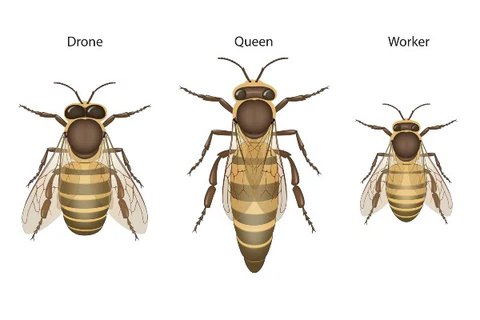
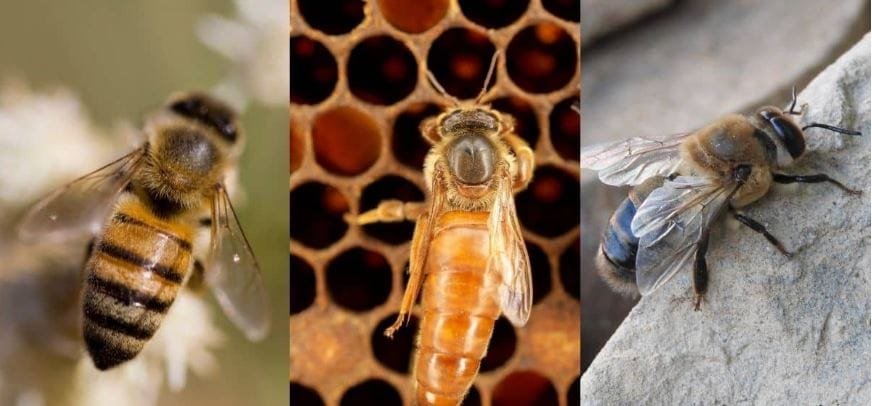
A honeybee hive looks busy from the outside, but inside it follows a clear structure. Every bee has a specific job. Together, they keep the colony alive and productive. There are three main types of bees in a hive: the queen, the workers, and the drones.
1. The Queen Bee
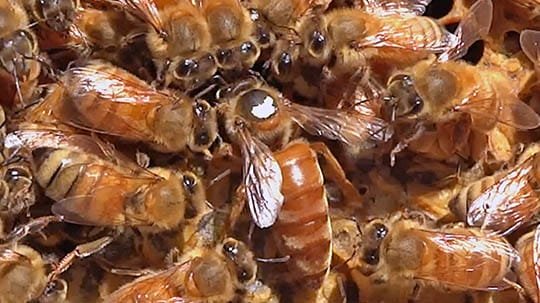
The secret life of bees includes a queen that holds the colony together through reproduction and chemical signals.
Many people imagine the queen as a ruler, but she does not command workers the way humans command teams. Her main job is to lay eggs and produce pheromones that help maintain unity.
Those pheromones shape worker behavior and keep the colony stable. If the queen weakens or disappears, the colony changes quickly because workers sense the shift almost immediately.
- The queen lays eggs that become workers, drones, or queens
- Her pheromones help keep workers calm and coordinated
- Workers feed and groom her to protect her health
- A healthy queen supports a strong, consistent brood pattern
- Colonies replace weak queens to protect long-term survival
- New queens develop in special queen cells during change
- A queen must mate successfully to sustain the colony
The queen matters because she provides continuity in a fast-changing world. When bees lose her, they launch emergency plans by raising a new queen from young larvae.
This rapid response shows how bees protect their future. It also shows the hive’s ability to adapt when stability disappears.
2. Worker Bees
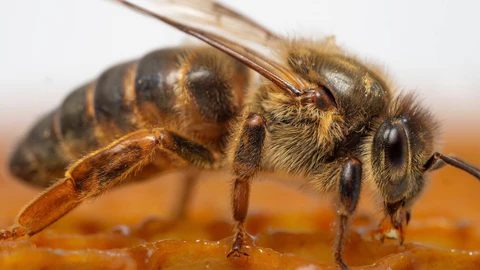
It depends on worker bees because they handle almost every task inside and outside the hive. Workers are female bees, and they form the workforce that keeps the colony alive.
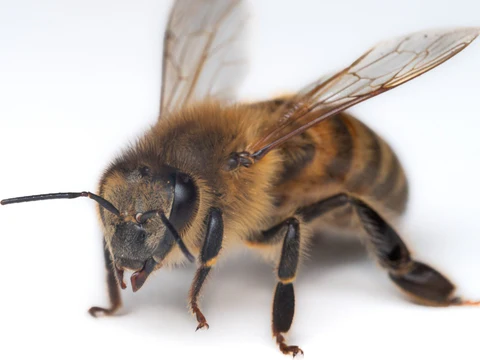
They clean, build, feed, guard, and forage depending on their age and the hive’s needs. Their role shifts over time, which helps the colony stay flexible when conditions change. If many foragers die, younger workers can start foraging earlier. This adaptability helps a colony survive tough seasons.
- Young workers clean cells and prepare space for new brood
- Nurse bees feed larvae and support the queen’s needs
- Builders produce wax and shape comb into strong storage cells
- Warehouse workers process nectar into honey and pack pollen
- Guards defend the entrance and check incoming bees
- Ventilators fan wings to manage heat and airflow
- Foragers collect nectar, pollen, water, and plant resins
Worker bees also perform invisible jobs that matter deeply. They remove waste, carry dead bees out, and protect the hive from disease.
They also share food through mouth-to-mouth transfer, which spreads both nutrition and colony information. This constant work creates stability in a crowded home. The hive’s strength comes from workers who keep moving and adjusting without delay.
3. Drones
It also includes drones, which are the male bees in the colony. Drones do not forage, build comb, or defend the hive. Their main purpose is to mate with queens from other colonies, which supports genetic diversity.
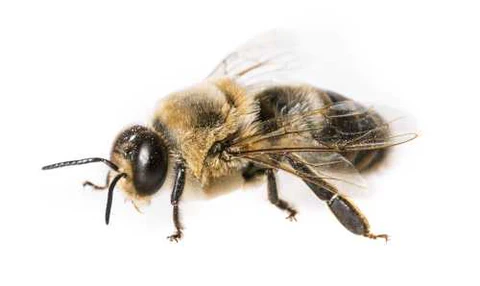
In many regions, drones appear more during seasons when mating chances rise. When resources become scarce, workers often stop feeding drones. They may push drones out of the hive before winter.
- Drones support reproduction by mating with new queens
- They help spread genetics across colonies in a region
- Drones rely on worker feeding inside the hive
- They gather in drone congregation areas for mating flights
- Workers may remove drones when food becomes limited
- Drone numbers rise when the colony prepares for growth
- The colony prioritizes survival over extra mouths in winter
This drone system may sound harsh, but it reflects survival math. A hive must protect food stores when flowers disappear. Workers focus on keeping the queen and young bees alive. That focus helps the colony survive until spring returns.
Bee communication starts with scent
The secret life of bees runs on communication, and scent is the strongest tool they use. Bees produce pheromones that signal danger, unity, identity, and task needs.
Scent helps bees recognize nestmates and detect intruders. It also helps them respond quickly to threats without needing visual contact. When a guard bee senses danger, she releases an alarm pheromone that recruits defenders within seconds.
- Queen pheromones support unity and reduce worker conflict
- Alarm pheromones trigger fast defense responses at the entrance
- Nasonov pheromone helps bees gather and orient to home
- Brood pheromones signal feeding needs and worker attention
- Colony scent helps bees identify who belongs and who doesn’t
- Wax and comb store “home smell,” strengthening recognition
- Food odors can guide recruitment and sharing behavior
Scent gives bees a fast and reliable language in a dark hive. It works even when bees cannot see well. It spreads quickly across a crowded space.
It also helps the colony act as one unit under pressure. If you ever stand near an agitated hive, you may notice a sharp smell in the air. That smell can be the colony’s warning system turning on.
The waggle dance shares map-level information
The secret life of bees becomes even more fascinating when you learn about the waggle dance. Forager bees can return to the hive and communicate where food exists. They do this through repeated movements that encode direction and distance.
The dance uses the sun as a reference point, which lets bees share accurate guidance even when the food source sits far away. This discovery became one of the most famous insights in animal behavior research.
- Bees dance more when the food source is rich and reliable
- The dance angle signals direction relative to the sun’s position
- The waggle duration relates to distance to the resource
- Nearby food triggers simpler “round dances” in many cases
- Other workers follow the dancer closely to read the message
- Recruited bees may verify before committing fully
- The hive becomes a living information board for scouts
This dance turns the colony into a smart search network. One bee can find a large patch of flowers and then multiply that discovery through communication.
This saves energy because fewer bees must search randomly. It also helps the colony exploit short bloom periods before weather changes. In nature, timing matters, and the waggle dance helps bees act fast.
How bees navigate with precision
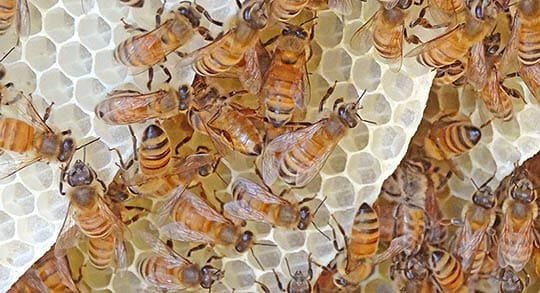
The bees includes navigation skills that look impossible for such small animals. Bees use the sun as a compass, and they also read patterns of polarized light in the sky.
They learn landmarks, remember routes, and adjust when conditions change. They can fly long distances and return home with strong accuracy. Even when the sun shifts across the sky, bees compensate for time.
- The sun provides a directional reference for flight paths
- Polarized light helps when clouds block direct sunlight
- Landmarks guide local navigation near the hive
- Memory supports repeat visits to strong food sources
- Scent helps final approach and entrance recognition
- Bees can adjust for wind and route obstacles
- Experienced foragers become highly efficient “specialists”
Navigation helps the colony reduce waste. If bees failed to return home, the colony would collapse fast. Each forager carries food and information.
Losing them means losing both energy and intelligence. That is why strong navigation supports survival as much as strong defense.
From nectar to honey: a survival factory
The secret life of bees depends on honey because honey acts as long-term fuel. Bees collect nectar, which contains lots of water, and transform it into a stable food that can last through cold seasons.
This transformation requires enzymes, teamwork, and careful moisture control. Bees pass nectar from one worker to another, which spreads enzymes that change the sugars. Then they evaporate water by fanning wings across open cells.
- Foragers store nectar in a special honey stomach during flight
- House bees receive nectar and add enzymes during transfer
- Nectar spreads thinly in comb cells for faster evaporation
- Bees fan their wings to move air and reduce moisture
- Honey becomes stable when water content drops enough
- Workers cap finished honey with wax to protect it
- The hive now holds a durable energy reserve
Honey is more than sweetness. It is a strategic resource that lets a colony survive when flowers vanish. In many climates, bees face long periods without nectar.
Honey bridges that gap. It also supports brood rearing when early spring flowers appear but weather stays harsh. Without honey, the colony’s future collapses.
Wax and comb are engineering genius
The secret life of bees includes wax buildings that look like natural architecture. Bees produce wax from glands and shape it into comb. Comb cells store honey, pollen, and developing larvae.
The hexagon structure saves space and material while staying strong. Bees also use comb layout to organize the hive into zones for brood and food.
- Wax costs energy, so bees build with efficiency
- Hexagons store more with less wax compared to many shapes
- Brood cells sit in warm central areas for stable growth
- Honey storage often sits above brood like a food ceiling
- Pollen stores stay close to brood for easy feeding
- Bees repair comb to maintain structure and hygiene
- Comb scent helps bees recognize their home and colony identity
Comb also shapes social life. Bees walk on it, share food on it, and vibrate signals through it.
It becomes part of the colony’s memory because it holds smell and history. When you see comb, you see both engineering and family life in one structure.
Heat control makes the hive feel “warm-blooded”
The bees requires stable temperature because larvae need warmth to develop correctly. Bees manage heat like a living thermostat.
They cool the hive by fanning wings and using collected water for evaporative cooling. They heat the hive by clustering tightly and vibrating flight muscles to generate warmth without flying.
This process makes the colony behave like a warm-blooded animal.
- Bees fan wings to push hot air out and pull cooler air in
- Water foragers bring droplets to support cooling during heat waves
- Workers spread water and increase airflow to evaporate it
- In cold weather, bees form a tight cluster to conserve heat
- Bees rotate positions so outer bees do not freeze too long
- Muscle vibration produces heat while bees stay in place
- Brood zones remain warm even when outside temperatures drop
This thermal control protects the next generation. It also protects honey stores by managing humidity. A colony that fails heat control risks weak brood, disease, and food spoilage.
Strong colonies often show strong temperature management. That ability becomes more important as climates become more extreme.
Social immunity: how bees fight disease together
The secret life of bees includes a group-based immune system called social immunity. Bees live close together, so disease can spread fast.
Bees respond with behaviors that reduce infection risk. They groom each other, remove sick larvae, and keep the hive clean. They also use propolis, a sticky resin collected from plants, to seal gaps and reduce microbes.
- Grooming removes parasites and dirt from bee bodies
- Hygienic behavior removes unhealthy brood from cells
- Cleaning crews carry debris and dead bees out of the hive
- Propolis lines surfaces and can reduce microbial growth
- Bees limit chaos by keeping brood zones organized
- Good airflow reduces damp conditions that favor fungus
- Strong nutrition supports stronger colony resistance
This hygiene system does not eliminate every threat, but it reduces risk. It also shows how behavior can act like medicine.
Bees do not rely on one magic cure. They rely on many small habits done daily. That routine keeps the colony stable in a world full of pathogens.
Varroa mites: a major modern threat
The secret life of bees now faces one of its hardest enemies: Varroa destructor mites. These mites attach to bees and weaken them. They also help spread viruses that harm adult bees and broods.
Many beekeepers treat colonies to manage Varroa levels, but mites can develop resistance to treatments in some regions.
- Varroa mites feed on bees and reduce their strength
- They spread viruses that damage wings and shorten bee lifespan
- Heavy infestations can collapse colonies if unmanaged
- Beekeepers monitor mites using sampling and counting methods
- Treatments must be used carefully to slow resistance growth
- Breeding for mite-resistant bees is a long-term strategy
- Healthy nutrition and management support better survival
Varroa pressure explains why modern beekeeping requires careful monitoring. It also explains why some colonies fail even with good food sources.
The mite problem adds stress to every other stressor, including poor nutrition and pesticide exposure. When multiple stressors stack together, colonies can fall quickly.
Colony losses, CCD, and the bigger picture
The secret life of bees often appears in news when colonies die, and people mention Colony Collapse Disorder (CCD). CCD describes a pattern where many adult workers vanish, leaving a queen and food behind.
Reports suggest CCD cases declined compared to the early peak years, but beekeepers still face high losses from multiple causes like parasites, disease, nutrition gaps, and weather extremes.
- CCD describes a specific pattern, not every colony loss event
- Varroa mites and viruses remain major drivers of collapse risk
- Nutrition gaps weaken bees and reduce their ability to resist disease
- Extreme weather can reduce forage and disrupt brood timing
- Pesticide exposure can add stress depending on type and use
- Habitat loss reduces diverse flowering plants across seasons
- Losses can rise when several stressors hit at the same time
When people ask “why are bees dying,” they often want one simple answer. Reality gives a layered answer. Bee health depends on a web of conditions.
That is why solutions also need layers. Strong management helps, but landscapes and policies also matter.
Why bees matter to global food and ecosystems
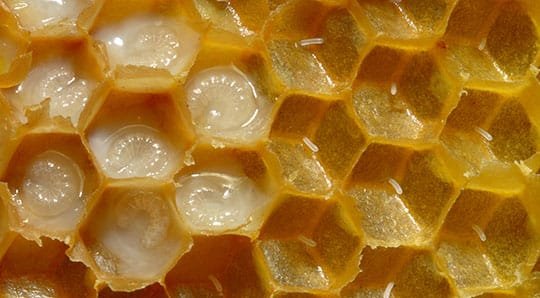
The secret life of bees connects to your plate because pollinators support many crops. Bees help plants reproduce, which supports fruits, nuts, seeds, and many vegetables.
Bees also support wild ecosystems by pollinating native plants. When pollination drops, plant diversity can fall, which affects birds, insects, and other wildlife.
- Pollination supports many foods humans eat every day
- Strong pollination improves yields and crop quality in many cases
- Wild plant pollination supports healthy habitats and biodiversity
- Bees help maintain genetic diversity in plant populations
- Pollinators support livestock feed crops in some regions
- Ecosystem stability improves when pollinators remain strong
- Local economies benefit from reliable crop production
Even people who do not like honey depend on pollination indirectly. Many foods exist because pollinators move pollen between flowers. When bee populations struggle, farmers may face lower yields or higher costs. Protecting bees supports both nature and human food security.
How you can help bees anywhere in the world
The secret life of bees improves when people create safer environments for pollinators. You do not need to keep a hive to help. Small changes in gardens, parks, and communities can provide food and reduce stress.
Choosing diverse flowers across seasons helps bees find nutrition when they need it most. Reducing pesticide use on blooming flowers protects foragers.
- Plant a mix of flowers that bloom in different seasons
- Prefer native plants because local bees recognize them easily
- Avoid spraying insecticides on open flowers and active bees
- Provide shallow water with stones so bees can land safely
- Let some areas grow wild to increase flower diversity
- Support pollinator-friendly policies in schools and parks
- Buy from farms that support sustainable practices when possible
Helping bees also means helping other pollinators like butterflies and wild bees. When you increase flower diversity, you feed many species. When you reduce chemical exposure, you reduce stress across the ecosystem. These steps may seem small, but they scale when many people do them.
The Importance of a Balanced Bee Population
A well-balanced bee population is essential for hive health and productivity. Too many drones consume resources that the colony needs. Too few worker bees leave the hive weak, exposed, and unable to gather enough food.
Beekeepers can help maintain balance by:
- Ensuring the queen stays healthy and actively lays eggs
- Monitoring hives for signs of disease and pests
- Providing supplemental feed during nectar shortages
Balanced hives produce more honey and have a stronger chance of surviving winter. Regular inspections help beekeepers track population changes and confirm that each type of bee is performing its role effectively.
Stay Safe While Working With Bees
Discover the right protective gear for your beekeeping work with Oz Armour’s premium beekeeping suits. These suits combine comfort, durability, and reliable sting protection. Whether you are inspecting the queen, managing worker bees, or maintaining your hive, the suits allow easy movement while keeping you safe. Explore the collection and handle your bees with confidence.
Faqs About Secret Life of Bees
The secret life of bees raises common questions because people want clear answers. Bees live complex lives, but the basics are easy to understand. Here are quick facts that help readers worldwide.
What is the secret life of bees?
It is the hidden teamwork inside a hive, including roles, communication, honey making, and defense. Bees act like one living system, so the colony survives through cooperation.
Do bees really use dances to share directions?
Yes, honey bees use the waggle dance to show direction and distance to food. Other bees follow the dancer, learn the location, and then fly to check it.
Why are bees important for people worldwide?
Bees pollinate many crops and wild plants, which supports food supply and biodiversity. Healthy pollination helps farms, gardens, and ecosystems stay productive.
What are the biggest threats to bees today?
Varroa mites and viruses, nutrition gaps, habitat loss, pesticides, and climate stress can combine. When several pressures hit together, colonies weaken faster and losses rise.
How can I help bees without keeping a hive?
Plant flowers that bloom in different seasons and avoid spraying chemicals on open blooms. Provide shallow water, support wild spaces, and encourage pollinator-friendly practices locally.
Wrap up!
Ever wondered what really happens inside a beehive when no one is watching? The secret life of bees is full of surprises—tiny engineers building perfect wax cities, nurses feeding baby larvae, guards defending the entrance, and scouts “dancing” directions to hidden flower fields.
A hive runs like a smart community where every bee has a job, and every second counts. At Fact File, we uncover the wild truth: bees don’t just make honey—they control temperature like a living air-conditioner, store food for emergencies, and communicate through scent like a secret code.
But this amazing world faces real danger from mites, diseases, lost habitats, and harsh weather. The good news is you can help. Plant flowers that bloom in different seasons, keep water nearby, and avoid spraying chemicals on blooms. Protecting bees means protecting food, nature, and life around us.