
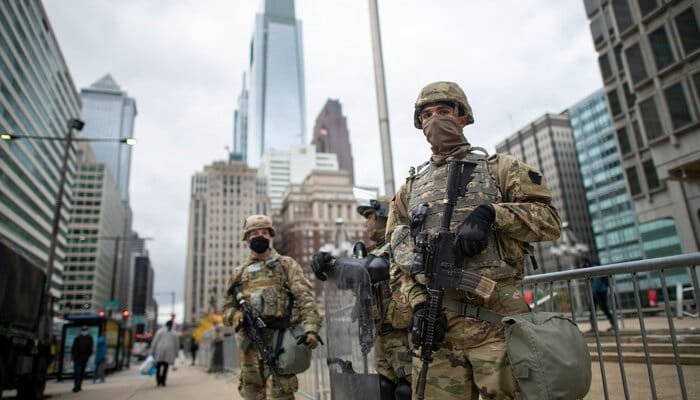
Imagine a country where chaos overwhelms law enforcement, citizens face threats, and state authorities struggle to maintain order. In such critical moments, the United States relies on the American Insurrection Act. This law gives the President the authority to deploy military forces domestically, ensuring federal law is enforced and citizens’ constitutional rights are protected.
Unlike ordinary policing or emergency management laws, the American Insurrection Act is reserved for extreme crises. Its invocation can shift the balance of power, influence political outcomes, and impact thousands of lives. Historically, it has been used to protect civil rights, suppress violent rebellions, and maintain national stability during periods of unrest.
The law reflects a careful balance between federal authority, state powers, and civil liberties. While it grants extraordinary powers, it is also designed to uphold democracy, not replace it.
This article explores the American Insurrection Act’s history, purpose, legal framework, applications, controversies, and its relevance in modern politics. Understanding this law provides insight into how democracies can confront internal crises without collapsing into disorder.
Origins and Early History of Federal Emergency Powers
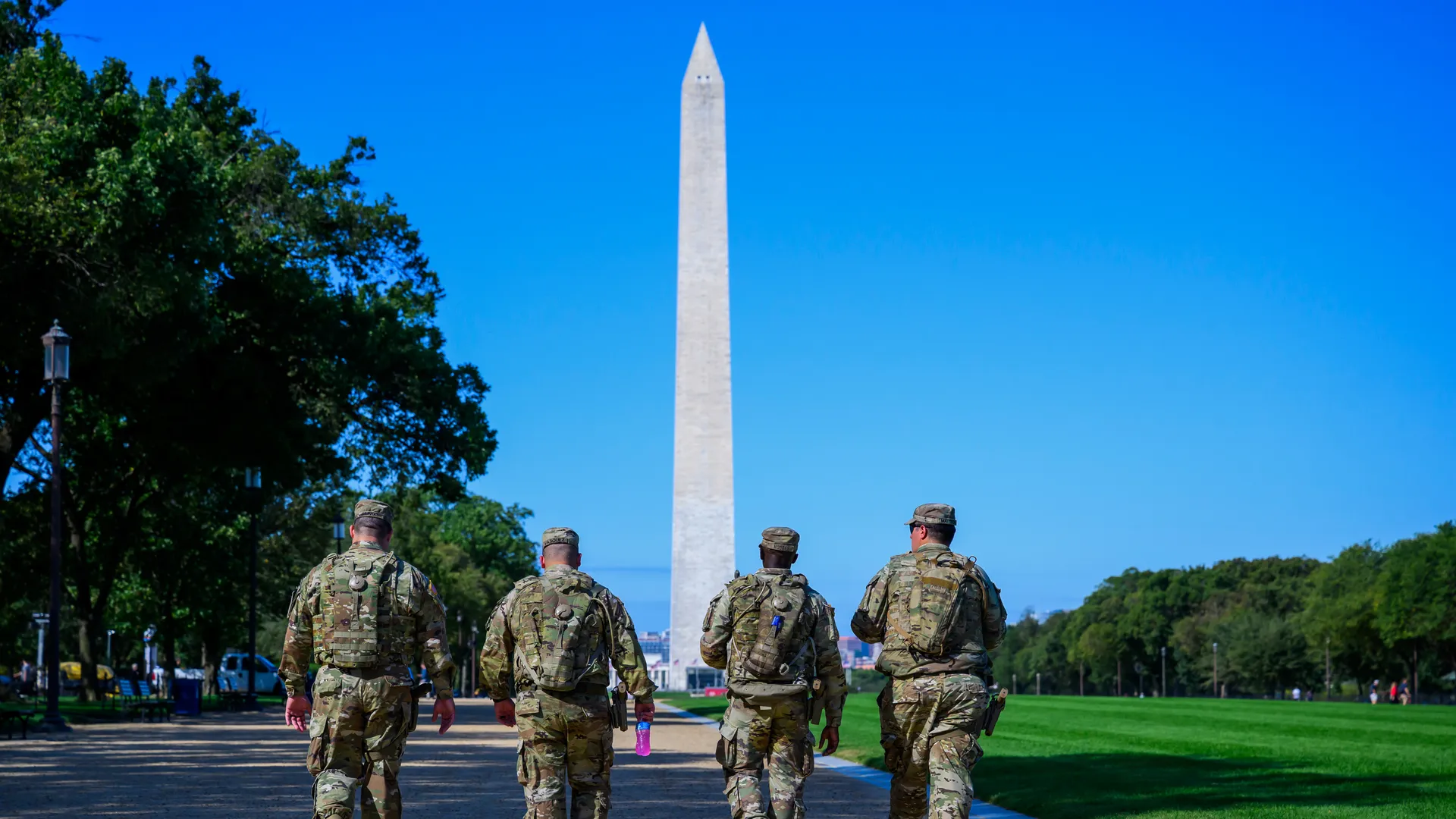
The Insurrection Act became law in 1807, during a period when the United States remained politically fragile. The nation had already experienced violent uprisings such as the Whiskey Rebellion, which exposed the weakness of state militias. Lawmakers feared that rebellion or lawlessness could threaten the survival of the federal system.
Congress passed the Act to strengthen federal authority while remaining faithful to constitutional values. At the time, the U.S. lacked a strong national police force. States controlled most law enforcement, and coordination remained poor. The Act gave the president a legal mechanism to use federal troops when states failed to act.
Over the years, Congress amended the Act to address new challenges. These changes expanded federal authority during civil rights conflicts, labor unrest, and violent resistance to court orders. Each amendment reflected social change and evolving threats. Despite these updates, the law retained its original purpose: restoring order while preserving democracy.
Purpose and Objectives of the American Insurrection Act
The core purpose of the American Insurrection Act is to preserve constitutional order during extreme internal threats. It exists to ensure federal laws remain enforceable when normal systems break down.
The Act aims to stop rebellion, suppress violent resistance, and protect civil rights. When state governments cannot or will not act, the federal government steps in. This structure reflects the principle of federal supremacy under the U.S. Constitution.
Unlike martial law, the American Insurrection Act does not dissolve civilian authority. Courts, legislatures, and civil institutions continue operating. Military forces act as enforcement support rather than replacements.
This intent matters greatly. The Act claims legitimacy by presenting itself as a guardian of democracy, not its enemy. However, critics argue that good intentions do not prevent misuse. That tension defines modern debates around the law.
Legal Authority and Constitutional Basis
The American Insurrection Act draws authority from the U.S. Constitution. Congress holds the power to suppress insurrections and enforce federal law. The president executes that authority as commander in chief.
Several statutory sections define when the Act applies. Some require requests from state governors. Others allow unilateral presidential action. This flexibility increases effectiveness but reduces transparency.
Courts rarely challenge presidential decisions under the Act. Judges often defer to executive judgment during emergencies. This judicial restraint strengthens presidential authority.
Because legal oversight remains limited, political accountability becomes the primary check. Elections, public opinion, and congressional pressure serve as indirect restraints. This structure makes the Act legally strong but politically risky.
Limits on Military Involvement in Civilian Affairs
The Posse Comitatus Act generally prohibits the military from enforcing civilian laws. The American Insurrection Act creates a direct exception to that rule.
When invoked, the American Insurrection Act allows armed forces to perform law enforcement duties. Soldiers can patrol streets, secure buildings, and assist police. This authority temporarily overrides Posse Comitatus restrictions.
Many people misunderstand this relationship. They assume military involvement is always illegal. The American Insurrection Act proves otherwise under defined conditions.
This legal overlap creates controversy. Critics argue that military training differs from policing. Supporters claim emergencies require extraordinary tools. The debate continues because both laws reflect competing democratic values.
Relationship with the Posse Comitatus Act
The American Insurrection Act allows presidential action under specific conditions. These include widespread violence, rebellion, or resistance to federal law. The Act also applies when states fail to protect constitutional rights.
The law uses broad language rather than precise definitions. This design allows rapid response during unpredictable crises. However, it also increases executive discretion.
Presidents typically invoke the Act only after local systems collapse. Political consequences discourage frequent use. Media scrutiny further raises the stakes.
Because the Act lacks strict procedural barriers, its use depends heavily on presidential judgment. This reality fuels calls for reform and clearer thresholds.
Role of State Governments Under the Insurrection Act
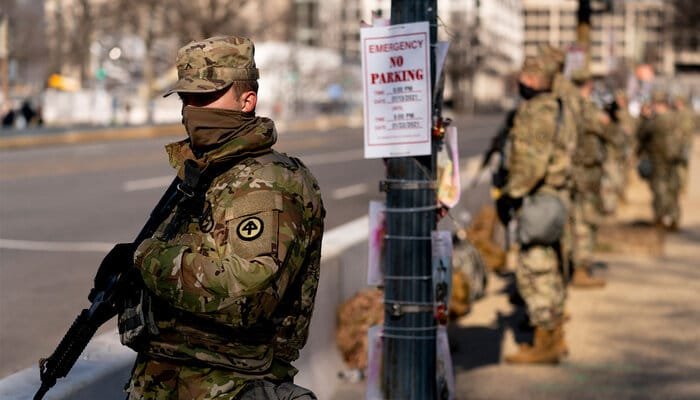
State governments usually serve as first responders to unrest. The American Insurrection Act becomes relevant when state authority fails.
In many cases, governors request federal assistance. This cooperation reduces political conflict. It also preserves federal-state relationships. However, the Act also allows intervention without state consent. Federal authority overrides state resistance when constitutional rights are threatened.
This dynamic reflects American federalism. States enjoy autonomy, but they remain subordinate to federal law. The Act tests that balance during moments of crisis.
Historical Use of the Insurrection Act
Several U.S. presidents have invoked the American Insurrection Act. One notable example occurred in 1957 when federal troops enforced school desegregation in Arkansas. In that case, state officials resisted federal court orders. The president used the Act to protect students and uphold constitutional rights.
Earlier uses occurred during labor unrest and civil rights struggles. Each invocation reflected political, social, and moral conflict. These historical cases show the Act’s dual nature. It can defend justice or provoke fear depending on execution.
American Insurrection Act and Civil Rights Protection
The American Insurrection Act played a critical role in civil rights enforcement. During desegregation, states openly defied federal rulings.
Military deployment ensured African American students could attend public schools safely. Without federal intervention, violence might have prevailed. This history complicates modern criticism. While the Act threatens liberty if abused, it has also expanded freedom. Civil rights advocates view these cases as proof that federal power can serve justice. Critics still warn against normalization.
Modern Political Debate Around the Insurrection Act
Recent political unrest renewed attention to the American Insurrection Act. Protests, riots, and polarization intensified public debate. Supporters argue the Act remains necessary for national stability.
Critics fear authoritarian misuse. Social media amplifies perceptions. Military presence now carries symbolic power beyond physical enforcement. These debates extend beyond the United States. Global observers study how democracies respond to internal conflict.
Global Perspective on the Insurrection Act
International audiences view the American Insurrection Act as a case study in democratic emergency powers. Many nations maintain similar laws under different names. Comparisons reveal shared tensions between security and freedom.
The Act influences how global observers judge American democracy. Military involvement raises concerns but also demonstrates institutional resilience.
Checks, Limits, and Accountability
The American Insurrection Act includes limited formal oversight. Congress retains amendment authority. Courts remain cautious. Public accountability acts as the strongest restraint. Media coverage and elections shape outcomes.
This system relies heavily on political culture rather than legal barriers. Critics argue that culture alone is insufficient. Calls for clearer limits continue to grow.
Criticism and Risks of the Insurrection Act
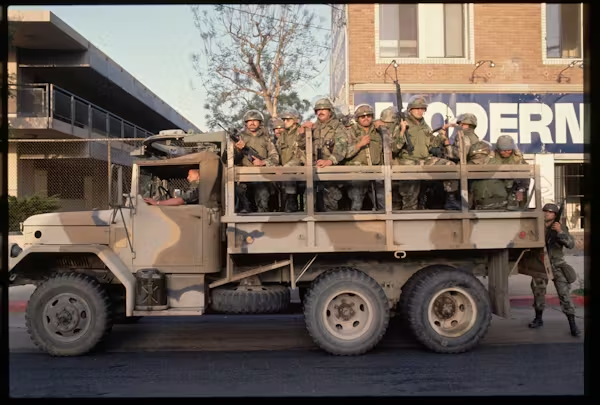
- Critics argue the Act concentrates too much power in the executive branch. Military force may escalate unrest.
- There is also fear of normalization. Frequent use could erode democratic norms.
- History shows emergency powers tend to expand. That lesson drives reform advocacy.
Future Outlook and Potential Reforms
Proposed reforms include clearer definitions, time limits, and congressional approval. Supporters resist changes, citing unpredictability.
The Act’s future depends on political trust and restraint. Its existence reflects both fear and preparedness. Understanding this law remains essential for evaluating democratic resilience.
Faqs About Insurrection Act
The following frequently asked questions address common concerns and lesser-known aspects of the American Insurrection Act. They help clarify how the law functions in real-world situations beyond legal theory.
Does the Insurrection Act allow permanent military rule?
The American Insurrection Act does not authorize permanent military control over civilian areas. Military deployment remains temporary and tied to restoring lawful order. Once stability returns, authority shifts back to civilian institutions.
Can the Insurrection Act be used during natural disasters?
The Act is not designed specifically for natural disasters. However, if widespread violence or lawlessness follows a disaster, the President may consider it. Ordinary emergency laws are usually preferred first.
How does the Insurrection Act affect ordinary citizens?
For civilians, the Act may result in increased military presence and restricted movement. Daily life can change temporarily due to security measures. Civil rights remain legally protected despite heightened enforcement.
Is the Insurrection Act unique to the United States?
Many countries have similar emergency powers under different legal frameworks. The American Insurrection Act stands out because it operates within a federal democratic system. Its structure reflects U.S. constitutional principles.
Can Congress stop the use of the Insurrection Act?
Congress cannot block immediate deployment once the Act is invoked. However, lawmakers can investigate, limit funding, or amend the law later. Political accountability plays a major role in restraint.
Wrap-Up: Lessons from the American Insurrection Act
The American Insurrection Act remains one of the most important yet misunderstood laws in the United States. It exists to protect constitutional order during moments of extreme crisis, not to undermine democracy. Through legal structure, oversight, and public accountability, the Act balances federal authority with civil liberty.
In an era of rising unrest and political division across the world, emergency powers demand careful use. The Insurrection Act demonstrates how law can guide force instead of replacing it. Its future depends on ethical leadership and informed citizens.