
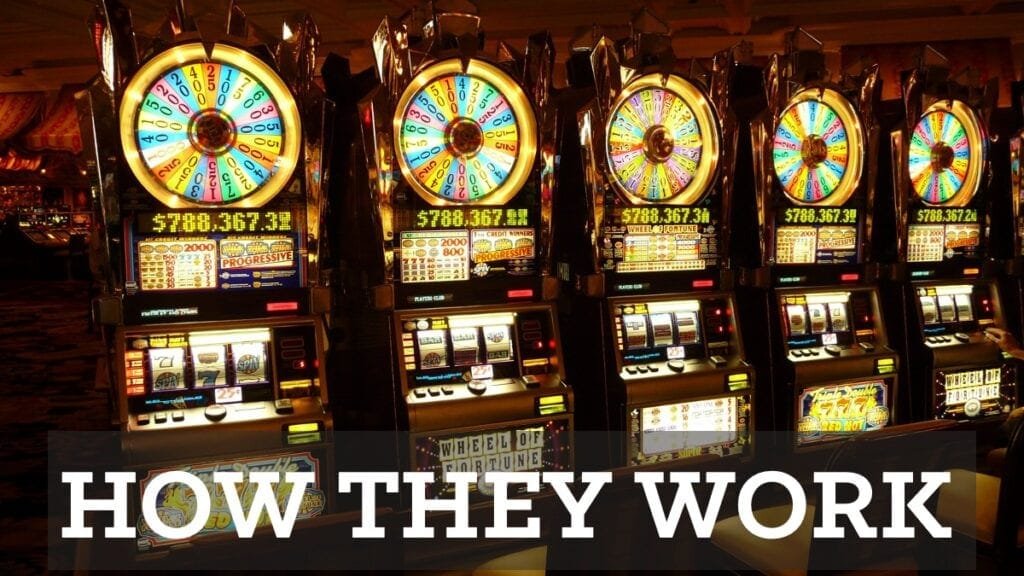
Slot machines look like the simplest casino game ever made. You choose your bet, press a button, watch reels spin, and then symbols stop in place. If the machine celebrates, you win. If it doesn’t, you lose. Simple, right?
On the surface, yes. But under that screen is a carefully built system that combines math, software, game design, and regulation. The animations, sounds, and “almost hit it!” moments are mostly there to create excitement. The actual result is usually decided by code in a fraction of a second.
This guide explains how slot machines work in plain language for readers worldwide. You’ll learn:
- what the RNG does and why each spin is independent
- how reels and symbol frequency really work
- the difference between paylines, ways-to-win, and scatter pays
- what RTP and house edge mean (and what they don’t mean)
- why volatility changes how a slot “feels”
- how bonus rounds, free spins, multipliers, and progressives work
- practical tips for playing more responsibly
Slots can be fun entertainment. But they’re also designed to be engaging and fast. Understanding the basics helps you play with clearer expectations and better control.
What a Slot Machines Really Is
A modern slot machine is basically a computer running a random outcome system with a game built on top of it.
Whether it’s a physical cabinet on a casino floor or an online slot on your phone, the key parts are usually the same:
- an RNG (Random Number Generator) to produce outcomes
- a set of “virtual reels” or symbol tables
- a paytable (the rules for what pays)
- a game engine to evaluate wins and trigger features
- animations and sound that present the result in a fun way
The biggest idea to remember:
The reels are mostly displayed. The decision happens inside the software.
So when someone asks, “How do slot machines work?” the short answer is:
Slots use an RNG to select a random outcome, then match that outcome to symbols and pay according to fixed rules.
The Core Engine: RNG (Random Number Generator)
What is an RNG?
An RNG is a piece of software that generates random numbers extremely fast—often thousands of numbers per second. It runs continuously, even when nobody is playing.
Think of it like a constantly spinning digital wheel, producing a stream of unpredictable numbers:
- 1058392
- 4920184
- 7734001
- 2209930
- …and so on, nonstop
What happens when you press “Spin”?
When you hit the spin button (or tap the screen), the game instantly:
- captures the RNG number at that exact moment
- maps it to a reel stop or symbol position
- checks the paytable rules
- determines the payout (if any)
- shows the result with reel animation
This is why timing tricks don’t work in a reliable way. You can’t “feel” the right moment to press spin, because the RNG is moving too fast and the mapping is designed to be unpredictable.
The independence rule (the most important fact)
In properly regulated RNG-based slots:
- every spin is independent
- the machine doesn’t “remember” your losses
- it doesn’t “owe” you a win
- your last spin has no power over the next spin
If you keep one truth from this guide, keep this:
Slots do not become “due.” Past results do not control future results.
Reels, Symbols, and Virtual Reel Strips (What You See vs What’s Real)
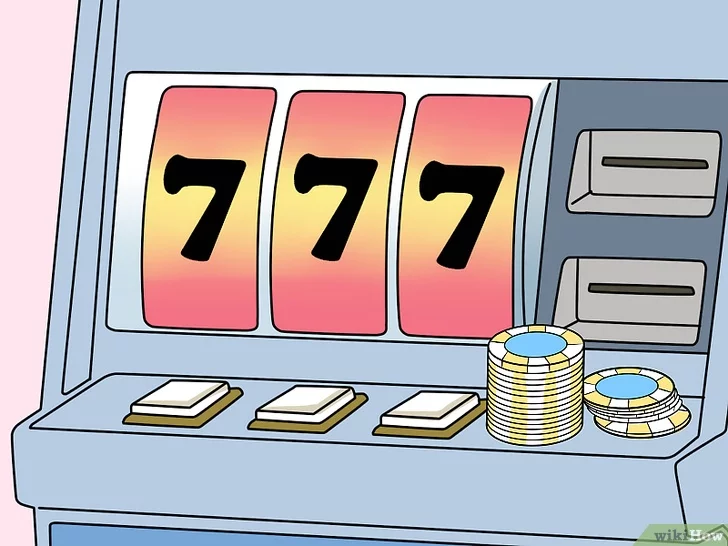
Old slot machines used physical reels with printed symbols. Modern machines often use virtual reels, which allow more control over symbol frequency.
Why virtual reels matter
In a physical reel, a symbol appears only as often as it is printed. In a virtual reel system, the game can assign “virtual stops” so some symbols are far more common than others.
That’s how a slot can create:
- frequent low-value matches
- occasional medium hits
- rare high-value or jackpot hits
Symbol frequency: the hidden lever of slot design
In most games:
- low symbols (like A, K, Q, J) appear more often
- premium symbols appear less often
- bonus symbols and jackpot symbols appear rarely
This allows designers to build a game that pays often enough to feel active, but still keeps a mathematical advantage for the house.
“Near miss” effects
You’ve probably seen this:
- two bonus symbols land
- the third bonus symbol “almost” lands
- the machine teases the moment with sound and suspense
That can feel like you were one step away from winning. But in many modern slots, the RNG already decided the outcome the instant you pressed spin. The near miss is usually a presentation, not an indication that you were “close.”
How Wins Are Counted: Paylines, Ways-to-Win, and Scatter Pays
Not every slot pays the same way. The win system shapes what combinations count.
A) Fixed paylines
A payline is a pattern across reels (often left to right). You win when matching symbols land on an active payline.
Fixed-payline games:
- have a set number of lines (ex: 20 lines)
- you don’t choose which lines are active—they’re all active
B) Adjustable paylines
Some machines let you choose how many lines to play.
This can change your session feel:
- fewer paylines = lower cost per spin
- more paylines = higher cost per spin, more chances to hit smaller wins
Important note: choosing fewer lines doesn’t usually “improve odds.” It mostly changes bet size and the number of ways a win can appear.
C) Ways-to-win (“All ways”)
Instead of lines, ways-to-win slots pay if matching symbols appear on adjacent reels, usually starting from the left.
Example:
- 5 reels
- 3 rows each
- 3 × 3 × 3 × 3 × 3 = 243 ways
So if the game says “243 ways,” it means there are many possible matching paths, not a single line.
D) Cluster pays
Some modern slots pay for groups of symbols that touch each other (clusters), rather than lines or ways.
Cluster games often include:
- cascading or tumbling reels
- multipliers that grow during cascades
- big “screen-filling” moments
E) Scatter pays
Scatter symbols can pay anywhere (not on a line). They also often trigger features:
- free spins
- bonus rounds
- multipliers
- jackpots
Tip: always check whether the slot requires wins to start on the leftmost reel, or if it allows “anywhere” wins.
The Paytable: The Slot’s Rulebook (Read This Before You Spin)
Every Slot Machines has a paytable (also called Info, Rules, or Help). It tells you:
- how much each symbol pays
- how many symbols are needed
- wild rules (what wilds can replace)
- scatter rules (pays and triggers)
- bonus features and how they activate
- multipliers and special mechanics
Quick paytable checklist
Before playing, look for:
- Minimum match size: 3-of-a-kind? 4? 5?
- Direction rules: must start from left, or anywhere?
- Wild limits: do wilds appear on every reel or only some?
- Scatter triggers: 3 scatters? 4? 5?
- Bonus details: are features random, or require a symbol pattern?
- Caps: is there a max win limit? (some games have one)
Many players skip the paytable and then feel confused. The paytable is the difference between guessing and understanding.
RTP (Return to Player): What It Means in Real Life
What RTP means
RTP stands for Return to Player. It’s a long-term average payout percentage.
Example:
- RTP 96% means that across a massive number of spins (often millions), the slot returns about $96 per $100 wagered, on average.
What RTP does NOT mean
RTP does not guarantee:
- you will get 96% back today
- you will win after a certain number of spins
- your session will “balance out”
A single session is a tiny sample size. You could win big quickly or lose quickly, even on a high RTP game.
Why RTP still matters
Even though RTP doesn’t predict your short-term outcome, higher RTP generally means:
- lower house edge
- better long-term value for the player
If you have multiple choices and RTP is clearly shown, choosing a higher RTP slot is often a smarter entertainment choice.
House Edge: The Casino’s Built-in Advantage
House edge is basically RTP flipped:
- RTP 96% → house edge ~4%
That “edge” funds:
- casino operations and profit
- game development
- promotions
- jackpots (in some structures)
Slots often have a higher house edge than many table games, which is why they’re so profitable for casinos.
Best mindset: slots are entertainment, not income.
Volatility (Variance): Why Some Slots Feel Fast or Brutal
Volatility describes how a slot pays, not how much it pays in the long run.
Low volatility
- smaller wins more often
- fewer long losing streaks
- lower top prizes
- budget tends to last longer
High volatility
- longer losing streaks
- wins come less often
- bigger peak payouts
- more “all or nothing” feeling
Two slots can share the same RTP but feel totally different because volatility shapes the pattern of rewards.
A simple example
Imagine two games, both 96% RTP:
- Slot A gives frequent small wins (low volatility)
- Slot B gives rare big wins (high volatility)
Over millions of spins, both return around 96%. But in your short session, they can feel completely different.
Hit Frequency: “Winning” Can Still Mean Losing
Hit frequency is the percentage of spins that return any payout.
But many “wins” are not profitable.
Example:
- you bet $1
- you “win” $0.20
- the slot celebrates
- but your balance still decreased by $0.80
So it helps to separate:
- Winning spin: any payout
- Profitable spin: payout greater than your bet
High hit frequency can make a slot feel active, even if the average return stays below 100% over time.
Common Slot Types (Classic, Video, Megaways, Cascading, Hold-and-Spin)
Slots come in many styles. Here are the major categories.
A) Classic 3-reel slots
- simpler layouts
- fewer paylines
- fewer features
- often lower complexity
Great for players who want something straightforward.
B) Video slots (modern 5-reel and beyond)
- 5 reels (or more)
- multiple paylines or ways-to-win
- bonus rounds, free spins, expanding wilds
- themed graphics (movies, myths, adventure, etc.)
This is the most common slot style today.
C) Megaways-style (variable ways)
Megaways-type systems change the number of symbols on each reel every spin, changing the number of ways-to-win.
What it feels like:
- very dynamic reels
- frequent movement and surprises
- often higher volatility
D) Cascading / Tumbling reels
Instead of spinning again after a win, winning symbols disappear and new ones drop in. This can create chain reactions.
Common add-ons:
- increasing multipliers with each cascade
- bonus symbols that collect during chains
E) Hold-and-spin / “feature lock” games
These usually involve:
- special symbols that lock in place
- a set number of respins
- you try to fill the screen or trigger jackpots
Hold-and-spin features are popular because they build suspense over several steps.
F) Bonus buy / feature buy (where legal)
Some online slots allow players to pay extra to enter a bonus feature instantly.
Important: this doesn’t remove house edges. It changes variance and session pacing.
Wild Symbols: How They Work (Standard, Expanding, Sticky, Walking)
Wild symbols usually substitute for other symbols to complete winning combinations (often not for scatters or bonus symbols).
Common wild types
- Standard wild: replaces regular symbols
- Expanding wild: grows to cover a reel
- Sticky wild: remains in place for multiple spins (often in free spins)
- Walking wild: moves across reels in a feature
- Multiplier wild: adds a multiplier to wins it helps create
Wilds make gameplay more exciting, but they still operate within fixed rules.
Scatter Symbols and Free Spins (Why Features Feel Powerful)
Scatter symbols often trigger free spins and bonuses.
Why free spins are so popular
Free spins give you:
- extra spins without paying again per spin
- a chance to access boosted mechanics
- a feeling of “second life” in a session
During free spins, a slot might:
- increase wild frequency
- add multipliers
- use sticky wilds
- allow retriggers (more free spins)
But keep expectations realistic:
- free spins still follow RNG outcomes
- free spins can be big or small depending on volatility
Bonus Rounds: What They Are and How They Decide Outcomes
Bonus rounds create variety. Common examples:
- pick-a-prize boards
- wheel spins
- mystery prize reveals
- “collect symbols” mini games
- expanding multiplier stages
Even though they look interactive, bonus rounds are still usually driven by random selection rules defined in the game design.
In other words:
- you might “choose” an item
- but the system still controls what prizes are available and how often
It’s entertainment, not a skill game.
Multipliers: The Feature That Makes Wins Look Huge
It increase a payout by a factor:
- 2× doubles it
- 5× multiplies by 5
- 10× multiplies by 10
Multipliers can appear:
- randomly during base game
- in free spins
- during cascades
- attached to wilds or special symbols
Many modern slots build excitement by stacking multipliers during features.
Important: multipliers don’t “fix” the math. They’re part of the planned payout structure.
Progressive Jackpots: How They Grow and When They Hit
Progressive jackpots increase over time because a portion of each bet contributes to the pool.
Types of progressives
- Standalone: one machine or one game
- Local: a group of machines linked together
- Wide-area progressive (WAP): linked across many casinos or online networks
How the jackpot triggers
Depending on the game, it may trigger:
- by a rare symbol combination
- by a random jackpot event
- through a bonus feature outcome
Some games require:
- max bet to qualify for the top prize
- certain denominations
- specific triggers
Always check the paytable so you know the conditions.
Do Slots Get “Hot” or “Cold”? Understanding Streaks
Players often say:
- “This machine is hot.”
- “This one is cold.”
- “It hasn’t paid in hours, it must pay soon.”
In regulated RNG slots, outcomes are independent. But randomness naturally creates streaks, and streaks feel meaningful to humans.
Why streaks happen in random systems
Randomness doesn’t alternate perfectly between wins and losses. It creates clusters:
- several losses in a row
- then a few wins close together
- then more losses
That’s normal randomness, not a “mood” of the machine.
Can You Improve Your Chances? What You Can Control
You cannot control RNG results. There’s no reliable trick to “time the reels.”
But you can make smarter decisions that help your experience:
What you can do
- Choose higher RTP games (when available)
- Match volatility to your budget
- small budget → low/medium volatility
- higher risk tolerance → high volatility
- Set a session budget
- Set a time limit
- Avoid chasing losses
- Read online bonus terms (wagering requirements matter)
What to avoid
- believing a machine is “due”
- raising bets out of emotion
- playing longer just to “get it back”
- borrowing money to gamble
Online Slots vs Land-Based Slots: What Changes?
Both online and casino slots use RNG and fixed rules, but the experience can differ.
Online slots often have:
- more visible information (paytable details, feature info)
- faster gameplay (easy to spin rapidly)
- optional features like bonus buys (where legal)
- access anytime (which can be risky if you don’t set limits)
Land-based slots often have:
- local regulation differences by location
- a more immersive environment (lights, sounds, social atmosphere)
- different denomination structures (penny slots, etc.)
The core remains the same:
random outcomes + fixed rules + long-term math.
Are Slot Machines Rigged?
In regulated markets, legitimate slot games are typically tested and certified. Testing often checks:
- RNG behavior (randomness quality)
- correct payout calculations
- technical reliability
- compliance with allowed settings (within legal limits)
But “regulated” matters. The safest approach is simple:
Play only on licensed casinos / trusted platforms.
Avoid unlicensed sites where fairness is hard to verify.
Slot Machine Psychology: Why They Feel So Addictive for Some People
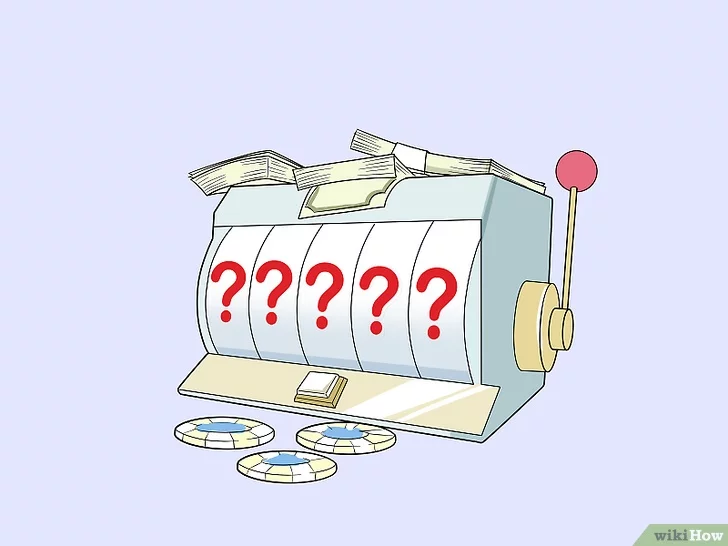
Slot Machines are designed to be stimulating. This doesn’t mean every player becomes addicted—but it explains why some people struggle.
Common design elements include:
- flashing visuals and celebratory sounds
- near-miss animations
- “win celebrations” for tiny payouts
- fast repeat play (especially online)
- bonus anticipation (the feeling that something big could happen)
These elements can push emotional buttons and keep attention locked.
That’s why responsible play matters.
Responsible Slot Play: A Practical Safety Guide
Slots can be fun entertainment, but they can also become risky if you treat them like a money plan. A safer approach is to play like you’re paying for a night out—because that’s basically what it is.
A) Set a hard budget (and protect it)
Before you start, decide:
- “This is what I can afford to lose today.”
Then stick to it. Consider:
- carrying only the amount you plan to spend
- using prepaid limits (online)
- separating gambling money from bill money
Rule: If spending more would affect rent, food, tuition, or family needs—don’t spend it.
B) Set a time limit
Time disappears fast during slot play. Use a timer:
- 30 minutes
- 1 hour
- 2 hours
When the alarm hits, pause and check your feelings.
C) Avoid chasing losses
Chasing is when you keep playing to “recover” what you lost.
Chasing often leads to:
- bigger bets
- longer sessions
- emotional decisions
- more losses
A healthy habit:
- if you hit your loss limit, stop for the day
D) Take breaks and “reset your brain”
A simple routine:
- stand up
- drink water
- walk for 2–5 minutes
- breathe and check your mood
Breaks reduce impulsive play.
E) Don’t gamble when emotional
Avoid slots when you feel:
- angry
- stressed
- depressed
- lonely
- desperate for money
Slots are not therapy and not a financial solution.
F) Never borrow money to gamble
This is one of the clearest danger signs. Borrowing turns entertainment into pressure, and pressure makes people chase harder.
G) Know the warning signs of losing control
If you notice these patterns, it’s time to pause and seek help:
- hiding gambling from family
- spending more than planned repeatedly
- feeling unable to stop
- gambling to escape problems
- borrowing or selling things to keep playing
- feeling panic or shame afterward
If you feel you’re losing control, consider reaching out to local support services or a trusted person around you. Getting help early is much easier than trying to fix it after big damage.
FAQ: How Slot Machines Work
Do slot machines use timing?
Slot Machines use an RNG that runs continuously. Your press locks a result instantly. Timing doesn’t give predictable control.
What does RTP mean?
RTP is the long-term average return across a huge number of spins, not a promise for your session.
Can a slot be “due”?
In regulated RNG slots, each spin is independent. A machine does not become due based on past outcomes.
Why do I “win” a lot but still lose money?
Because many payouts are smaller than your bet. They count as “wins” but still reduce your bankroll.
Are online Slot Machines fair?
Licensed online casinos typically use certified RNG games. Unlicensed platforms are riskier and harder to verify.
Wrap-Up: The Real Truth Behind the Reels
When you press Spin, the slot’s RNG locks a random result instantly. The reels are there to show the result with animation, but they don’t decide it. The game then checks the paytable rules to calculate wins.
- RTP tells you the long-term average return
- House edge is the built-in advantage for the casino
- Volatility explains why some games feel steady and others feel extreme
- Each spin is independent—so no machine is “due,” and streaks are normal
If you understand these basics, you’ll play with clearer expectations and better control of your budget—which is the smartest way to enjoy slots.







Excellent write-up — truly appreciated.