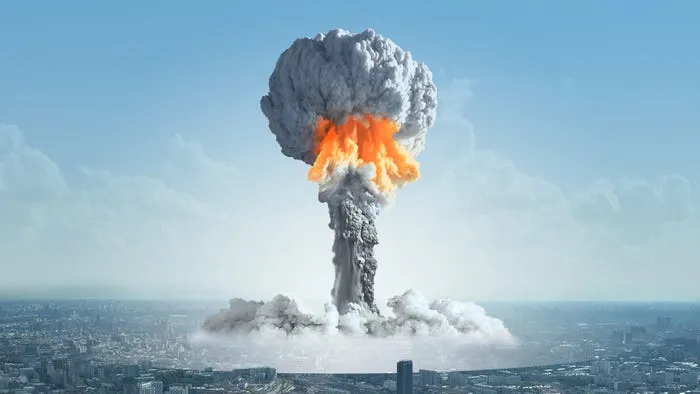
Nuclear bunkers are protective shelters designed to keep people alive during extreme hazards, including blast pressure, heat, flying debris, and radioactive fallout. People often imagine a “secret underground room,” yet real protection comes from smart engineering and disciplined planning. A bunker works best when it combines strong structure, proper shielding, clean air handling, safe water storage, reliable sanitation, and clear routines.
This guide explains nuclear bunkers in practical detail, from how radiation behaves to how doors seal, how filters work, what supplies matter, and how to maintain readiness.
You will also learn the realistic limits of bunkers, because no shelter can fix poor planning. Whether you want a family shelter, a small group space, or a community option, the same principles apply. Safety depends on layers: location, construction, systems, supplies, and human behavior. Build those layers well, and you improve survival odds dramatically.
What Nuclear Bunkers Are (and What They Are Not)
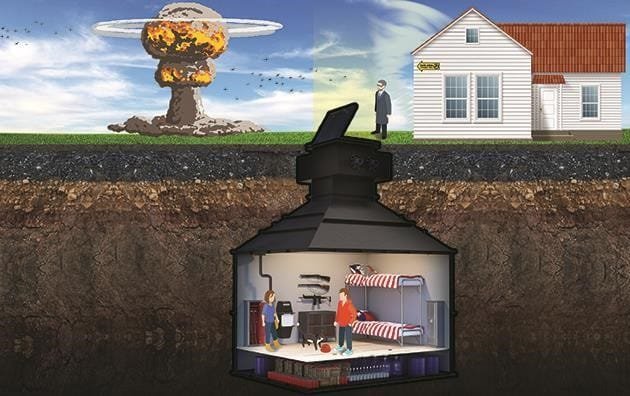
Nuclear bunkers provide a controlled, shielded environment when outside conditions become dangerous. They reduce exposure to radiation and protect against physical damage from blast effects. A bunker does not “stop a nuclear war.” It buys time while radiation levels fall and chaos outside settles.
Many people confuse a bunker with a general storm shelter. A storm shelter focuses on wind and debris. Nuclear bunkers add heavy shielding, sealed entry points, filtration, and longer-duration life support planning.
You can think of bunker protection as three layers. First, distance and barriers reduce immediate blast danger. Second, mass and depth block gamma radiation from fallout. Third, systems keep air and water safe while you stay inside. A well-planned shelter also supports sleep, hygiene, and stress control, because human performance drops quickly under confinement.
Common myths cause costly mistakes. Some people overbuild luxury rooms but underbuild ventilation. Others focus on gadgets and ignore water storage. Strong results come from balance: structure, air, water, sanitation, and procedures. If you cannot support clean air and safe waste handling, comfort features will not matter.
Understanding the Threats: Blast, Heat, Fallout, and Time
A nuclear event creates multiple hazards, and each hazard follows a different timeline. Blast pressure and high winds arrive quickly near the detonation. Heat and thermal radiation can ignite fires and cause severe burns. Fallout becomes the dominant risk for many people farther from the blast zone. Fallout contains radioactive particles that can land on roofs, streets, and soil. Those particles emit radiation until they decay.
Time matters because radiation intensity drops sharply in the first days. Many emergency planners use a simple rule of thumb: the risk falls fast early, then slows later. That pattern makes sheltering extremely effective when you do it promptly and correctly. The goal of nuclear bunkers often centers on staying inside during the highest exposure window, then transitioning carefully when levels drop.
Your bunker plan should match your likely hazard profile. If you live close to strategic targets, you face higher blast risk. If you live farther away, you may face heavier reliance on fallout protection and long shelter duration. Wind patterns can push fallout in unexpected directions. That uncertainty is why nuclear bunkers should prioritize shielding and air control even if you think blast risk is low.
Radiation Basics: What Shielding Really Needs to Do
Radiation fear often comes from confusion. In shelter planning, the key concern is usually gamma radiation from fallout on surfaces outside. Gamma rays can penetrate materials, but dense mass reduces intensity. That is why underground placement and thick concrete matter. Alpha and beta radiation also exist, yet they pose a bigger risk through contamination and ingestion rather than deep penetration. Good hygiene and filtration reduce that risk.
Engineers describe protection with “protection factor” concepts. You do not need advanced math to apply the idea. More mass between you and fallout means less exposure. Earth, concrete, brick, and water all provide shielding. Depth helps because soil adds mass in every direction. Overhead protection matters a lot, because fallout often settles on roofs and ground surfaces.
Shielding goals should stay realistic. A thin wall with a fancy door will not perform like a properly buried structure. Also remember the weak spots: entrances, vents, seams, and windows. Nuclear bunkers succeed when designers treat every opening as a potential leak in safety. You want straight paths blocked, corners baffled, and seals that stay tight under pressure changes. Good shielding is boring, heavy, and reliable. That is exactly what you want.
Site Selection: The Most Important Decision Before You Build
Location can make or break bunker usefulness. You want stable ground, low flood risk, and easy access from your living area. Some people pick remote sites, but they forget that reaching the shelter during panic becomes harder. The best bunker is the one you can enter quickly, safely, and quietly.
Check these site factors carefully:
- Flooding and water table: A low-lying area can fill your bunker with water.
- Soil stability: Stable soil supports walls and reduces cracking risk.
- Drainage: You need perimeter drainage and sump planning.
- Access routes: You need a safe path during bad weather or debris.
- Privacy and security: You want discretion without isolation.
If you already have a basement, you may retrofit a hardened room inside it. That approach can reduce cost and improve access. Still, you must confirm structural capacity and add shielding where needed. In many regions, local codes and contractors influence what you can do safely. Choose professionals who understand waterproofing, ventilation, and reinforced concrete. Poor waterproofing can destroy nuclear bunkers faster than any headline scenario.
Structure and Materials: Concrete, Steel, and the Reality of Loads
Most durable nuclear bunkers rely on reinforced concrete, steel reinforcement, and careful engineering of loads. Soil exerts pressure on walls. Water adds hydrostatic force. Earth movement adds stress over time. A bunker must handle these forces without cracking, because cracks create leaks and weaken shielding.
Concrete works well because it provides mass and strength. Reinforcement bars help resist bending and cracking. Steel can add strength, but it also needs corrosion control. Corrosion can silently damage structural integrity over years. You should also consider fire resistance, because external fires can raise temperatures and reduce air quality.
Design details matter as much as material choice. Rounded corners and continuous reinforcement reduce weak points. Proper curing improves strength. Waterproof membranes, exterior drainage boards, and gravel backfill help manage water. A bunker also needs controlled penetrations for vents, power conduits, and drains. Each penetration must have seals designed for long-term durability.
If you use modular or prefab units, inspect specifications closely. Some units focus on storm protection, not radiation shielding. Ask about wall thickness, roof thickness, and tested load ratings. Nuclear bunkers need mass, not just “tough” marketing language.
Depth and Shielding Layout: How to Use Mass Efficiently
Depth provides natural shielding, but you still need smart layout. A shallow bunker with thick overhead shielding can work well. A deeper bunker can achieve similar protection with less built material, but excavation costs rise. The best solution balances budget, soil conditions, and protection targets.
A practical layout uses “shielding geometry” to reduce direct exposure paths:
- Place the main living area away from the entrance.
- Use a right-angle hallway or dog-leg entry to block straight-line radiation paths.
- Keep storage and water on exterior walls to add shielding.
- Put sleeping areas deeper inside, where exposure stays lowest.
Water containers and food stores can double as shielding. That does not replace concrete, but it strengthens the layer. Earth berms can also add protection around above-ground or semi-buried shelters. Even small improvements matter, because shielding effects multiply.
Avoid large open doorways that point directly outside. Avoid thin roof sections above bedrooms. Treat the roof as critical shielding, because fallout often accumulates on top surfaces. When people say nuclear bunkers “work,” they usually mean the layout and mass worked together, not just the walls alone.
Doors, Hatches, and Airlocks: The Critical Weak Point
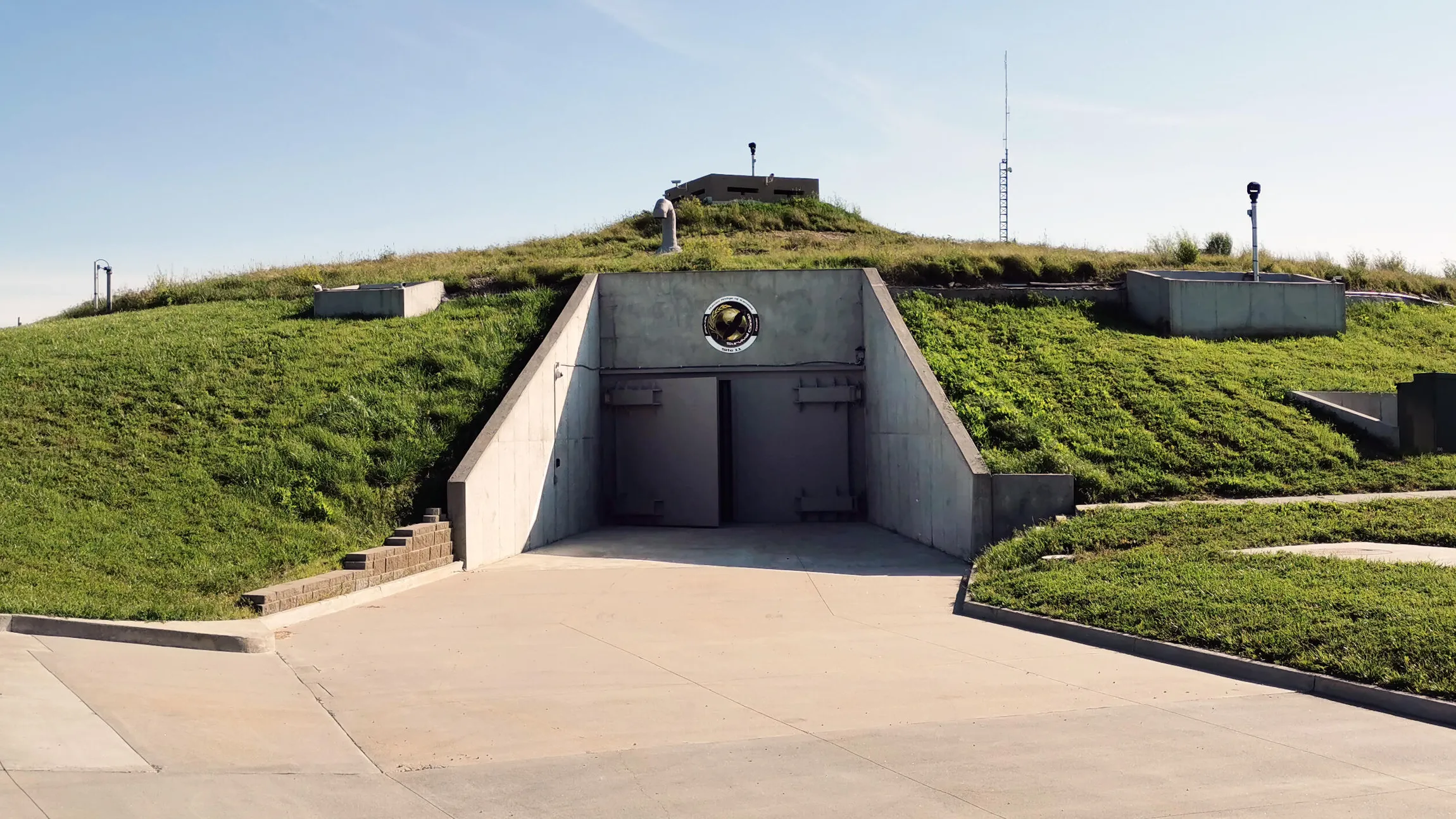
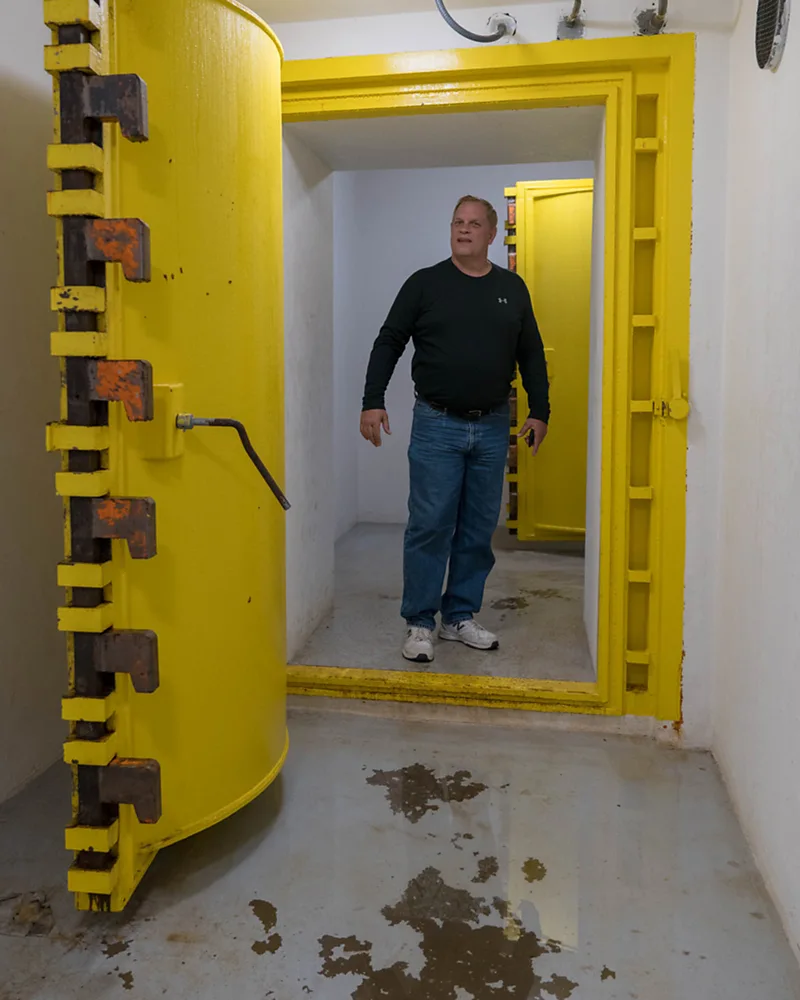
The door system determines whether your bunker stays protected when outside air and dust become dangerous. A strong wall with a weak hatch wastes money. You want a door that seals, resists warping, and handles pressure changes. Many high-quality shelters use two-door entry systems that function like a basic airlock.
A practical airlock routine reduces contamination:
- Enter the outer door.
- Remove dusty outer layers.
- Bag and isolate contaminated items.
- Wash hands and exposed skin.
- Enter the inner door.
Door design should include:
- Compression seals that remain elastic over years
- Multiple locking points for even pressure
- Hinges rated for heavy loads
- A threshold that prevents dust drift
- An emergency opening method from inside
If you expect blast overpressure risk, you need stronger ratings. Still, for many locations, fallout and contamination drive the design more than blast. The key is reliability and maintenance. Lubricate hinges, inspect seals, and replace worn gaskets. Nuclear bunkers fail when small components degrade quietly over time.
Ventilation and Filtration: Clean Air Is Your Lifeline
Ventilation determines how long you can stay inside with stable health. Humans produce carbon dioxide and moisture. Without airflow management, air quality deteriorates quickly. Nuclear bunkers typically use filtered intake and controlled exhaust, with the ability to run in different modes.
Core elements include:
- Particulate filtration to remove radioactive dust
- Activated carbon to reduce certain chemical contaminants
- Manual backup airflow if power fails
- Blast valves or pressure dampers where needed
- Duct routing that avoids direct line-of-sight paths
You should also manage humidity. High humidity grows mold and ruins stored supplies. A dehumidifier can help, but it needs power and drainage. Passive moisture control includes desiccants, good insulation, and controlled airflow.
Do not rely on “just sealing everything” for long stays. People need oxygen exchange. Some advanced designs include oxygen storage or generation, but most family shelters rely on filtered outside air. That makes filter planning essential. Store spare filters, track replacement intervals, and learn how to change them safely. If your plan includes staying sealed for a short peak period, you still need a safe method to restore airflow later without dragging dust inside.
Power, Lighting, and Redundancy: Planning for Failure
Power supports lighting, ventilation fans, communication devices, and water pumps. A bunker without power can still function if it includes manual options, but quality of life and safety improve with redundancy. Build your system around “fail safe” thinking: assume something breaks at the worst time.
Common power layers include:
- Grid power when available
- Battery bank with inverter for silent operation
- Generator with safe exhaust routing and fuel storage
- Manual ventilation crank as a last resort
LED lighting reduces power draw and heat. Headlamps provide hands-free light during repairs. Label every circuit and store spare fuses. Keep charging cables for radios, phones, and lanterns in one place.
Fuel storage needs careful handling. Gasoline degrades faster than some alternatives. Store stabilizers if appropriate and rotate stock. Ventilate fuel storage areas and keep them separated from living quarters when possible. Carbon monoxide kills silently, so exhaust management matters. The best nuclear bunkers keep combustion outside the sealed living zone and maintain detectors for safety. Your goal is not luxury power. Your goal is reliable power for air, light, and information.
Water Storage and Purification: The Non-Negotiable System
Water decides survival speed more than food. You can live weeks with limited calories, but dehydration becomes dangerous within days. Nuclear bunkers should store enough water for drinking, minimal cooking, and basic hygiene. Plan realistic consumption, not optimistic guesses.
A practical baseline for many adults:
- Drinking: 2–3 liters per day
- Cooking: 0.5–1 liter per day
- Minimal hygiene: 1–2 liters per day
You can reduce usage with wet wipes and disciplined routines, but do not cut drinking water. Store water in food-grade containers and protect it from heat and light. Add a rotation schedule. Also plan purification methods for emergency replenishment. Filters can remove particulates, but you must also handle microbes. Chemical treatments and boiling help, though boiling requires fuel.
Fallout dust can contaminate collection surfaces. That means you should not collect rainwater during heavy fallout without careful controls. If your bunker includes a well, you still need power and filtration planning. Many people choose to store water rather than rely on uncertain collection. Strong nuclear bunkers treat water like a primary life-support system, not an afterthought.
Food, Cooking, and Nutrition: Energy Without Chaos
Food planning should focus on stable calories, simple preparation, and low waste. Choose items with long shelf life and minimal water needs. Many bunker plans combine ready-to-eat foods with basic staples. Keep variety to reduce appetite fatigue, which can become a real problem under stress.
Good bunker food categories include:
- Canned meals and proteins
- Rice, pasta, oats, and lentils
- Nut butters and energy bars
- Dehydrated meals for longer stays
- Electrolyte mixes and vitamins
Cooking inside a bunker must respect air quality. Avoid open-flame cooking in sealed spaces unless your ventilation design supports it safely. Many people rely on no-cook foods during the first critical period and cook later when ventilation runs steadily. Store a manual can opener, sturdy utensils, and heavy-duty trash bags. Trash management protects hygiene and morale.
Nutrition matters for performance. High stress increases fatigue and irritability. Balanced meals help keep decision-making sharp. Plan for children, older adults, and special diets if needed. Nuclear bunkers that “feel livable” often succeed because food planning reduces conflict and keeps routines stable.
Sanitation and Waste: The System That Protects Health
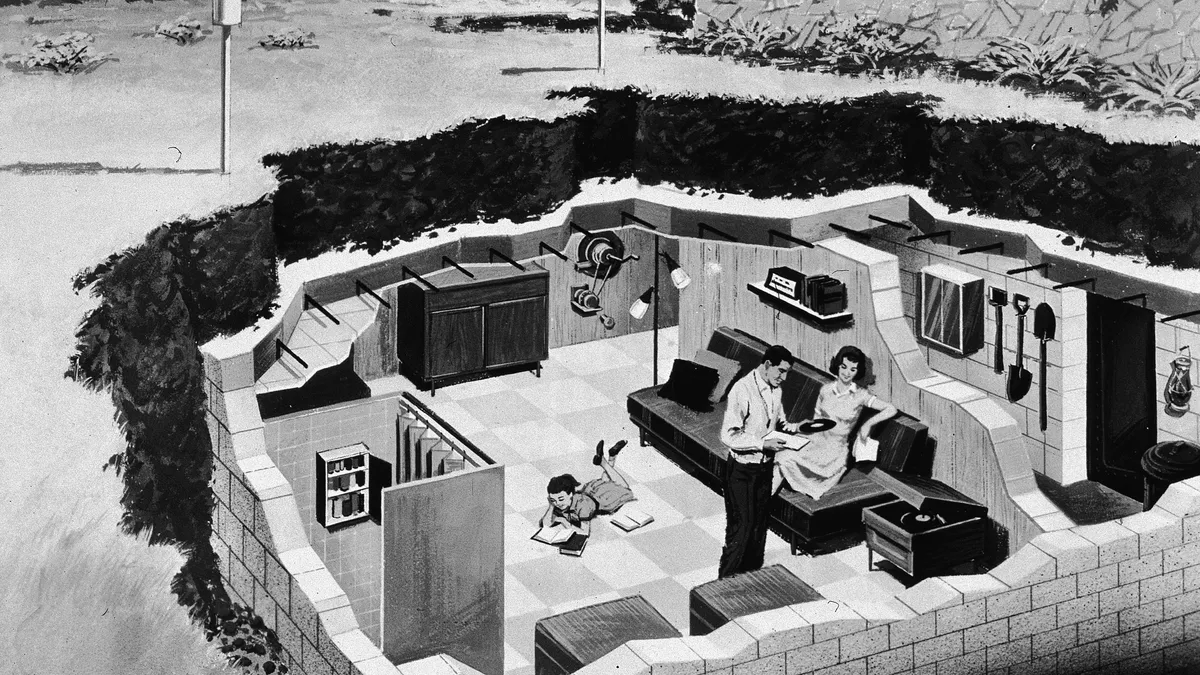
Sanitation breaks down fast in confined spaces. Poor waste handling creates odor, infection risk, and morale collapse. You need a toilet plan that works without constant water. You also need a method for storing waste safely until disposal becomes possible.
Common sanitation options include:
- Composting toilets designed for enclosed spaces
- Chemical toilets with sealed cartridges
- Bucket systems with liners and absorbent materials (short-term)
- Greywater containment and controlled drainage (if permitted)
Hand hygiene prevents outbreaks. Store soap, sanitizer, gloves, and disinfectants. Use separate bins for food waste and human waste. Seal bags tightly. If you use absorbent gels or cat litter, store enough for your full shelter period.
Ventilation ties directly to sanitation. Odor control depends on airflow and containment. Keep the sanitation area separated from food prep if possible. Also plan menstrual supplies, diapers, and cleaning routines. Nuclear bunkers become safer when you treat sanitation as a daily operational discipline. A clean shelter reduces stress and protects health far more than most people expect.
Medical, Hygiene, and Functional Support Needs Planning
Medical readiness in a bunker should cover injuries, infections, chronic conditions, and mental strain. Start with basics: bandages, antiseptics, pain relief, and allergy treatments. Then layer in supplies for likely personal needs. People often stock “generic first aid” but forget prescription continuity.
A strong medical kit plan includes:
- Copies of prescriptions and dosing instructions
- Extra medication stock where legally possible
- Gloves, masks, and eye protection for cleanup tasks
- Thermometer, blood pressure cuff, and basic diagnostic tools
- Oral rehydration salts and anti-diarrheal support
Hygiene supports health. Stock toothbrushes, paste, wet wipes, and quick-dry towels. Plan laundry minimally. Keep spare clothing sealed. Dust control matters because fallout particles can cling to fabrics. Use a designated “dirty zone” near the entry airlock routine.
Also plan for children and older adults. They need comfort routines and predictable sleep. They may also need different nutrition and medication forms. Nuclear bunkers serve global families with diverse needs. The best plans adapt to that reality. Your bunker should support care, not just containment.
Communication and Information: Radios, Alerts, and Decision Timing
Information reduces panic and improves timing decisions. You need reliable ways to receive updates and, if possible, send messages. Many disasters create rumors and misinformation. A bunker plan should include tools that function without normal networks.
Common communication layers:
- Battery-powered AM/FM and shortwave radio
- Two-way radios for local coordination
- Satellite communicator where legal and available
- Printed contact lists and meeting plans
Store spare batteries and a hand-crank charger. Keep antennas and cables organized. Also plan for documentation: paper maps, local area notes, and emergency procedures printed in large text. In high-stress environments, people forget steps.
Decision timing matters. Leaving too early can increase exposure. Staying too long can create supply strain. You want clear thresholds based on trusted information and your supply capacity. Nuclear bunkers do not remove the need for judgment. They give you breathing room to make better choices. That advantage often becomes the real survival factor.
Habitability and Mental Health: The Hidden Survival Skill
A bunker can protect bodies but still break minds if you ignore habitability. Confinement increases irritability. Noise and poor sleep reduce cooperation. A “survival space” becomes effective when it supports routines, privacy, and small moments of normal life.
Improve habitability with:
- Separate sleeping zones using curtains or partitions
- Earplugs, sleep masks, and consistent lights-out times
- Games, books, and offline entertainment
- A simple daily schedule for tasks and rest
- Ventilation tuned to reduce stale air and odor
Light affects mood. Use adjustable lighting and preserve a day-night rhythm. Also control temperature. Extreme cold or heat adds stress and increases energy needs. Insulation, ventilation control, and layered bedding help.
Conflict management matters. Assign roles before sheltering. Decide who handles water, sanitation, and communication. Create a clear decision process for disputes. Nuclear bunkers that support teamwork tend to outperform shelters that rely on “toughing it out.” Calm planning beats heroic improvisation almost every time.
Costs and Build Options: From Retrofit Rooms to Custom Builds
Costs vary widely because “bunker” can mean many things. A basement retrofit may cost far less than a deep, custom reinforced structure. Prefab underground units can reduce build time but may require heavy excavation and transport. Custom builds offer better layout control, but they demand skilled contractors and strong oversight.
Below is a practical comparison of common nuclear bunker approaches:
Option |
Typical Strengths |
Typical Limits |
Best For |
|
Basement hardened room |
Fast access, lower cost, easier utilities | Limited depth, needs added shielding | Families in existing homes |
|
Prefab underground unit |
Quick deployment, tested shell | Shipping/excavation cost, site limits | Rural/suburban properties |
| Custom reinforced bunker | Optimized shielding and layout | Highest cost, longer timeline |
High protection goals |
| Community shelter model | Shared cost, larger capacity | Coordination needed, access timing |
Neighborhood planning |
The budget should also include filters, water storage, sanitation hardware, and maintenance tools. Many people underestimate “systems cost” versus “concrete cost.” Nuclear bunkers deliver value when the full life-support package works together. Price alone does not predict safety. Design discipline does.
Supplies Planning Table: A Simple Way to Calculate Needs
People often overbuy random gear and underbuy essentials. Use a calculation approach instead. Decide the number of people and the number of days. Then compute water, calories, sanitation liners, and batteries. Keep margins, but avoid waste that crowds living space.
Here is a simple planning table you can adapt:
Category |
Baseline per Person per Day |
Example for 4 People / 14 Days |
|
Drinking water |
2.5 liters | 140 liters |
|
Cooking/hygiene water |
1.5 liters | 84 liters |
|
Calories |
2,000–2,400 kcal | 112k–134k kcal |
| Wet wipes | 2–4 wipes |
112–224 wipes |
| Trash/waste bags | 1–2 bags |
56–112 bags |
| Batteries (mixed use) | Varies by devices |
Plan per device schedule |
Add extra for children, nursing needs, and hot climates. Store supplies in labeled bins by category. Rotate food and water on a calendar. Keep a printed inventory sheet inside the bunker. Nuclear bunkers become easier to run when supplies feel organized, not chaotic. Organization reduces stress and prevents dangerous mistakes.
Legal, Ethics, and Community Realities Around Nuclear Bunkers
Laws differ by country, region, and city. Some places restrict deep excavation, certain ventilation outlets, or fuel storage. Some places require permits and inspections for structural work. You should treat compliance as part of safety, because poor code work increases collapse and fire risk.
Ethics also matter, especially when families live near each other. A private bunker can create tension if neighbors see it as exclusion. Community shelter planning can reduce that risk. Even small cooperation steps help, such as shared first aid training or shared radio monitoring plans. Still, you must balance cooperation with operational security and practical limits.
For global audiences, the best approach focuses on universal principles: safe structure, clean air, water, sanitation, and calm decision-making. You can adapt those principles to local rules and resources.
If you travel often, consider a plan that includes shelter-in-place options wherever you stay. Nuclear bunkers are one tool in a broader preparedness strategy. They work best when you integrate them with communication plans, evacuation planning when appropriate, and responsible long-term readiness.
Faqs About Nuclear Bunkers
How long do people usually stay inside nuclear bunkers?
Many plans target the highest-risk period first, then extend if conditions demand it. Duration depends on supplies, radiation levels, and safe exit timing.
Do nuclear bunkers need special air filters?
Yes. You need particulate filtration for fallout dust, and many systems add activated carbon. You also need a reliable replacement plan.
Can a basement work as a nuclear bunker?
A basement can help a lot, especially with added shielding and a protected room. The best results come from improved overhead mass and controlled ventilation.
What matters more: thickness or depth?
Both matter, but overhead shielding and total mass around living areas drive protection strongly. Smart layout can also reduce exposure paths.
Are nuclear bunkers only for the wealthy?
Not always. Some effective solutions use retrofits, shared community shelters, and disciplined supply planning. Smart design often beats expensive gadgets.
Wrap-Up
Nuclear bunkers work when they behave like true life-support systems, not underground rooms with a lock. Protection starts with mass and layout, then it becomes a daily routine: clean entry, controlled air, safe water, strict sanitation, and calm decision-making. The strongest shelters plan for failure, because power can drop, filters can clog, and stress can rise.
If you design for redundancy and practice simple procedures, you turn fear into capability. Keep your plan practical, because the best bunker is the one you can reach fast and operate confidently.
Focus on what saves lives: shielding, filtration, water, waste control, and reliable information. Comfort matters too, because teamwork depends on sleep and stability. With disciplined planning, nuclear bunkers can give families and communities the time they need to survive the worst days and step back out with strength.