
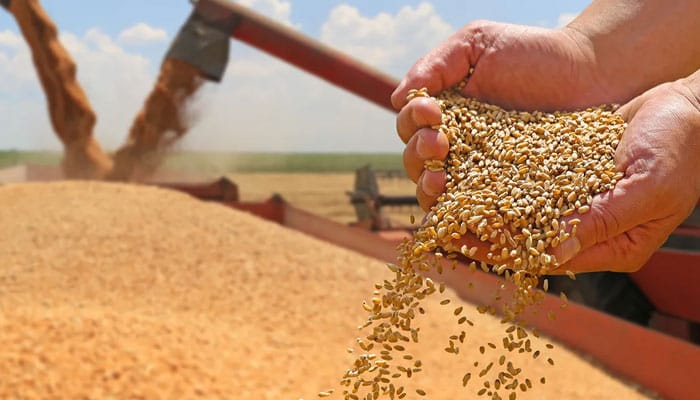
World’s Largest Wheat Consuming Countries in 2025. Wheat is one of the most widely consumed grains in the world and forms a major part of the daily diet in many countries.
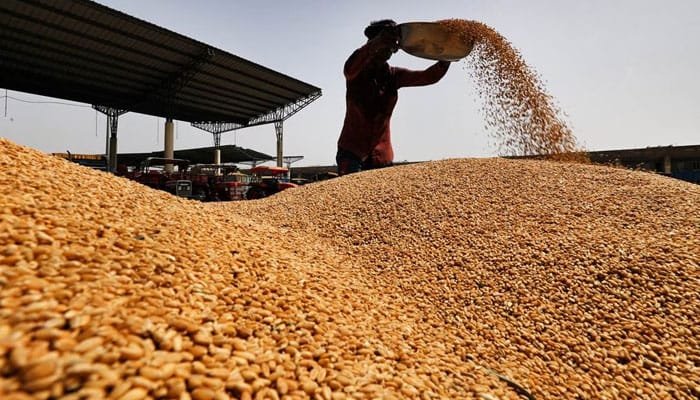
From breads and pasta to rotis and noodles, wheat is used in countless food items. In 2025, some countries stand out as the largest consumers of wheat, mainly due to their large populations, food habits, and growing demand for processed foods.
It is pertinent to mention that Pakistan faced a severe food shortage in 2020 due to locusts attacking agricultural fields in parts of Punjab and Sindh.
Top-10 Wheat Consuming Countries in the World 2025
Wheat remains one of the most consumed grains worldwide, forming the base of bread, pasta, noodles, and many daily foods. In 2025, countries like China, India, and the European Union lead global wheat consumption, driven by population size, dietary habits, and rising food demand.
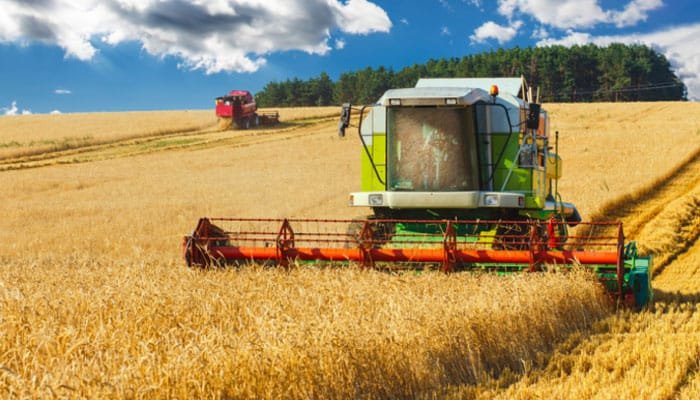
Here are the top 10 wheat-consuming countries in the world in 2025:
China, the Largest Wheat Consumer
China consumes approximately 151 million metric tonnes of wheat, making it the world’s largest consumer in 2025. Wheat is a daily food staple in many forms such as noodles, dumplings, steamed buns, and bread. Moreover, rapid urbanisation, a growing middle class, and diverse food habits further push demand higher. Given its huge population, China continues to play a major role in shaping global wheat markets.
India
India follows as the second largest wheat consumer, using about 112 million metric tonnes in 2025. Wheat serves as the main food grain in northern and western states, where it is commonly used to make roti, paratha, and puri. Furthermore, a rising population, food security policies, and an expanding food industry sustain high wheat demand. Wheat remains an essential part of Indian culture and everyday meals.
European Union
The European Union collectively consumes nearly 138 million metric tonnes of wheat in 2025. Countries like France, Germany, and Italy contribute significantly. Wheat plays a central role in bread, pasta, cakes, and pastries, and it also serves as animal feed. In addition, domestic consumption along with agricultural and export policies make the EU a global leader in wheat use and trade.
United States
The United States consumes around 28 million metric tonnes of wheat annually. Wheat is mainly used in bread, pasta, bakery items, and processed foods. While the U.S. is also a major wheat exporter, its strong domestic demand comes from households and the large food processing sector. As urban diets expand, wheat continues to be an important grain in American life.
Pakistan
Pakistan consumes about 28 million metric tonnes of wheat in 2025, placing it among the top global consumers. Wheat forms the backbone of the Pakistani diet and is used in roti, naan, and paratha. Seasonal crop fluctuations often affect supply, so imports usually fill the gap. As the population grows, wheat demand continues to rise, making it the most important food grain in the country.
Russia
Russia uses about 23 million metric tonnes of wheat annually. Known as one of the world’s largest wheat exporters, Russia also experiences high domestic demand. Wheat is widely used in bread, pasta, and bakery goods. Moreover, agricultural policies, local diets, and international trade strongly influence Russia’s wheat market. Thus, it plays a dual role—feeding its population and supplying global markets.
Egypt
Egypt consumes nearly 19.3 million metric tonnes of wheat, making it Africa’s top consumer. Since bread is a staple food, wheat plays a central role in Egyptian meals. However, local production cannot meet rising demand, so Egypt depends heavily on imports. Consequently, global price changes have a significant impact on food security and affordability in daily life.
Iran
Iran’s wheat consumption reaches around 15.8 million metric tonnes in 2025. Wheat-based foods, especially flatbreads like lavash, are central to Iranian diets. With a growing population and expanding cities, wheat demand steadily increases. Although the government supports wheat production, imports remain necessary to meet overall needs. Wheat continues to be vital for both rural and urban households in Iran.
Brazil
Brazil consumes about 11.5 million metric tonnes of wheat annually. The grain is mainly used for bread, cakes, biscuits, and bakery products. Because domestic wheat production is limited by climate and geography, Brazil imports most of its supply. As urban lifestyles expand, wheat-based foods become more popular, making imports essential to meet growing demand.
Algeria
Algeria also consumes around 11.5 million metric tonnes of wheat, ranking among the largest consumers in North Africa. Since bread is a staple food for Algerians, it forms a key part of every meal. The country relies heavily on imports due to insufficient domestic production. As the population grows, wheat consumption continues to rise, closely tying Algeria to global wheat trade.