The Arab FIFA World Cup stands as a powerful milestone in sports history. It highlights the growth, pride, and cultural richness of the Arab world. Millions of fans across the globe watched Arab countries compete, organize, and represent their passion for football.
The Arab FIFA World Cup opened new doors for tourism, economic development, youth empowerment, and international collaboration. It did more than entertain people—it united cultures. This article explores everything about the Arab FIFA World Cup in simple and engaging language that global readers can enjoy.
What Is the FIFA Arab Cup? — Origins and Purpose
The FIFA Arab Cup is a men’s national-team football tournament for countries in the Arab world.
The idea first emerged in 1957, proposed by a Lebanese journalist and football administrator who hoped to bring Arab nations together through sport. In 1963, the first edition of the Arab Cup took place in Beirut with just five teams — a modest beginning for what would eventually become a major regional competition.
Over time, the tournament evolved. The Arab world faced a long hiatus between 1966 and 1982, during which the competition paused. Later, the Arab Cup returned, undergoing several editions under the supervision of the regional football federation.
In 2021, a landmark change came: the competition was officially taken over by FIFA, the global football authority. From then on, it became known as the FIFA Arab Cup. The shift aimed to standardize the competition, increase visibility, and give Arab football a bigger voice on the global stage.
Purpose of the Tournament
- Unite Arab nations through friendly but competitive football.
- Promote Arab football talent at an international level.
- Strengthen regional identity and camaraderie among Arab communities.
- Provide a platform for Arab teams to prepare for bigger global tournaments.
Historical Evolution of the FIFA Arab Cup
The FIFA Arab Cup has a rich and sometimes challenging history. It was first hosted in Lebanon in 1963, where five teams participated. Tunisia won the inaugural title, marking the beginning of an important cultural football tradition. The next edition took place in Kuwait in 1964, with Iraq claiming their first championship. The tournament showed great promise but faced interruptions.
From 1966 to 1982, the tournament paused due to political tensions in the region. Despite these challenges, Arab football continued to grow through other regional competitions. The Arab Cup returned in 1982 in Saudi Arabia, and from then onward, several editions were organized across different countries including Jordan, Syria, Qatar, and Saudi Arabia.
The most important turning point came in 2021 when FIFA officially took control of the tournament. This move transformed the Arab Cup into a globally recognized event. FIFA introduced a four-year cycle and professional standards similar to other major competitions, ensuring long-term stability and international attention.
Key Editions and Recent Highlights
2021 – The First FIFA-Era Arab Cup
The 2021 competition was the 10th overall edition, but first under FIFA’s umbrella. Sixteen Arab national teams competed in the finals, with earlier qualifiers deciding some of them.
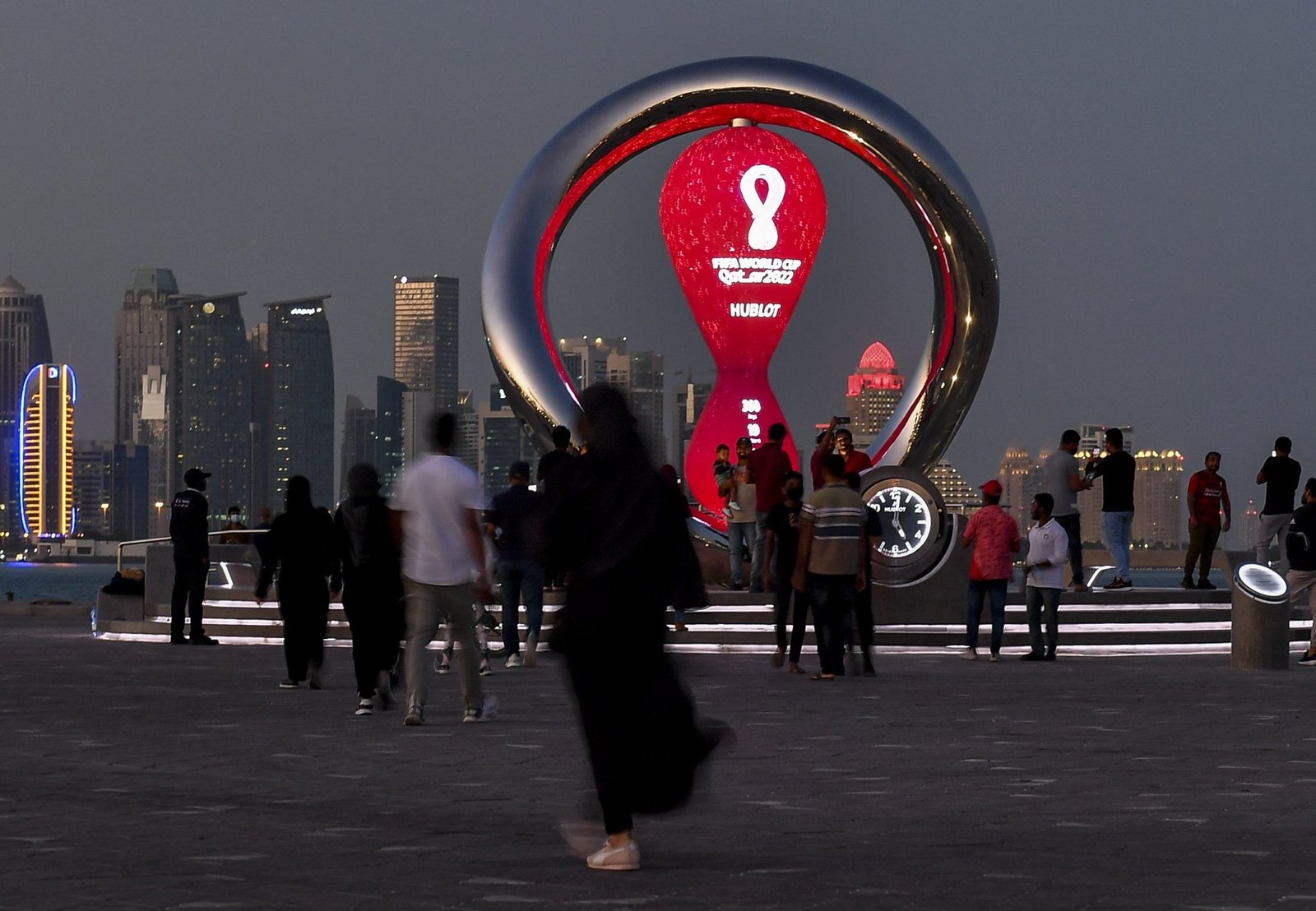
Held in Qatar, the tournament took place in six stadiums — all of which would later serve the 2022 FIFA World Cup.A total of 32 matches delivered 83 goals (approx. 2.59 goals per match), with matches filled by passionate fans.
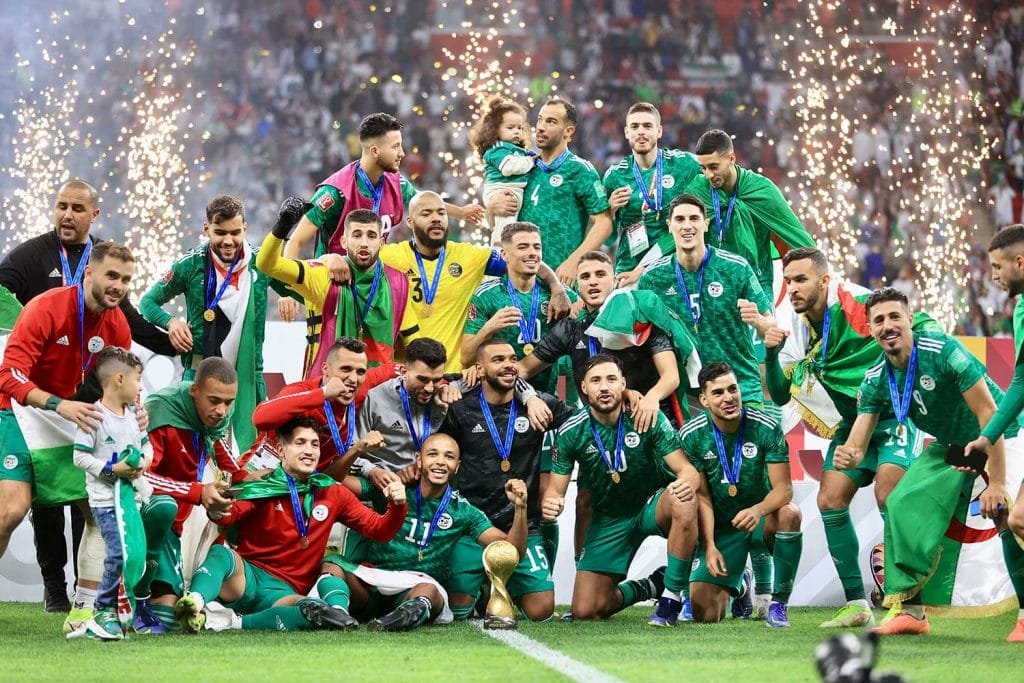
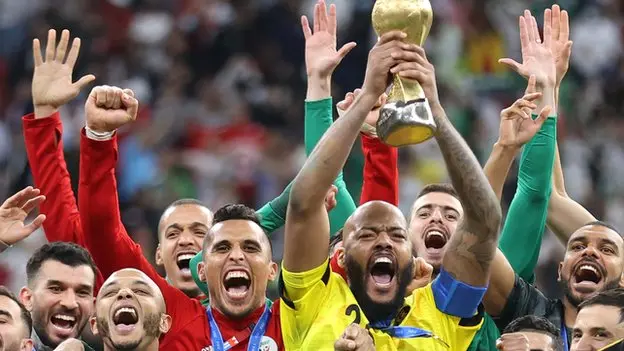
The final saw the Algeria national football team beating Tunisia national football team 2–0 after extra time to lift their first Arab Cup trophy.That victory sent a powerful message: Arab football is capable, competitive, and ready for the big stage.
2025 – The Next Chapter Begins
The next edition, the 11th, is scheduled for December 1–18, 2025, once again in Qatar. Six stadiums — the same used for the 2022 World Cup — will host matches, including the opening at Al Bayt Stadium and the final at Lusail Stadium.Sixteen Arab nations will compete. The defending champions, Algeria, will seek to defend their title under the growing global spotlight.
This edition carries more significance: as a FIFA-sanctioned event with full institutional support, it demonstrates long-term commitment to Arab football.
FIFA Arab Cup Champions – Complete List
Below is the complete champions list from all Arab Cup editions:
Edition |
Host Country |
Champion |
|---|---|---|
| 1963 | Lebanon | Tunisia |
| 1964 | Kuwait | Iraq |
| 1966 | — | Not Held |
| 1985 | Saudi Arabia | Iraq |
| 1988 | Jordan | Saudi Arabia |
| 1992 | Syria | Egypt |
| 1998 | Qatar | Saudi Arabia |
| 2002 | Saudi Arabia | Saudi Arabia |
| 2012 | Saudi Arabia | Morocco (U23) |
| 2021 | Qatar | Algeria |
Champions and Records
Several Arab nations have left their mark on the Arab Cup:
- Iraq: Four-time champions, the most successful team.
- Saudi Arabia: Two titles, strong performance history.
- Algeria, Morocco, Tunisia, Egypt: One title each.
Notable Records:
- Highest scoring edition: 2021 (83 goals).
- Longest unbeaten run: Iraq (1985–1992).
- Historic upsets: Smaller teams occasionally defeating top-ranked nations.
Performance of Participating Nations
The FIFA Arab Cup brings together some of the strongest football nations in the Arab world. Each country has its own footballing style and rich competitive history. Iraq remains the most successful team with four titles. Their dominance in the 1980s and early 1990s shaped the identity of the tournament.
Saudi Arabia followed with three victories, showing consistency and tactical strength. Algeria, Egypt, Morocco, and Tunisia also performed strongly, each winning at least one title.
Notable Performers:
- Iraq – Strongest historical record with 4 titles.
- Saudi Arabia – Excellent consistency and 3 championships.
- Algeria – Modern champions with tactical leadership.
- Morocco & Egypt – Both known for youth development and strong squads.
- Tunisia – First champions in tournament history.
These teams not only perform well within the Arab Cup but also represent the region strongly in other international competitions. Their growth benefits the reputation of the Arab Cup, bringing in more fans, media attention, and sponsorship opportunities.
Top Scorers in FIFA Arab Cup History
| Player | Country | Goals | Tournament |
|---|---|---|---|
| Hassan El Shazly | Egypt | 6 | 1963 |
| Adnan Al Talyani | UAE | 5 | 1988 |
| Mubarak Mustafa | Qatar | 5 | 1992 |
| Yassine Brahimi | Algeria | 3 | 2021 |
These scorers played a major role in shaping the excitement and competitiveness of the tournament.
Cultural Significance
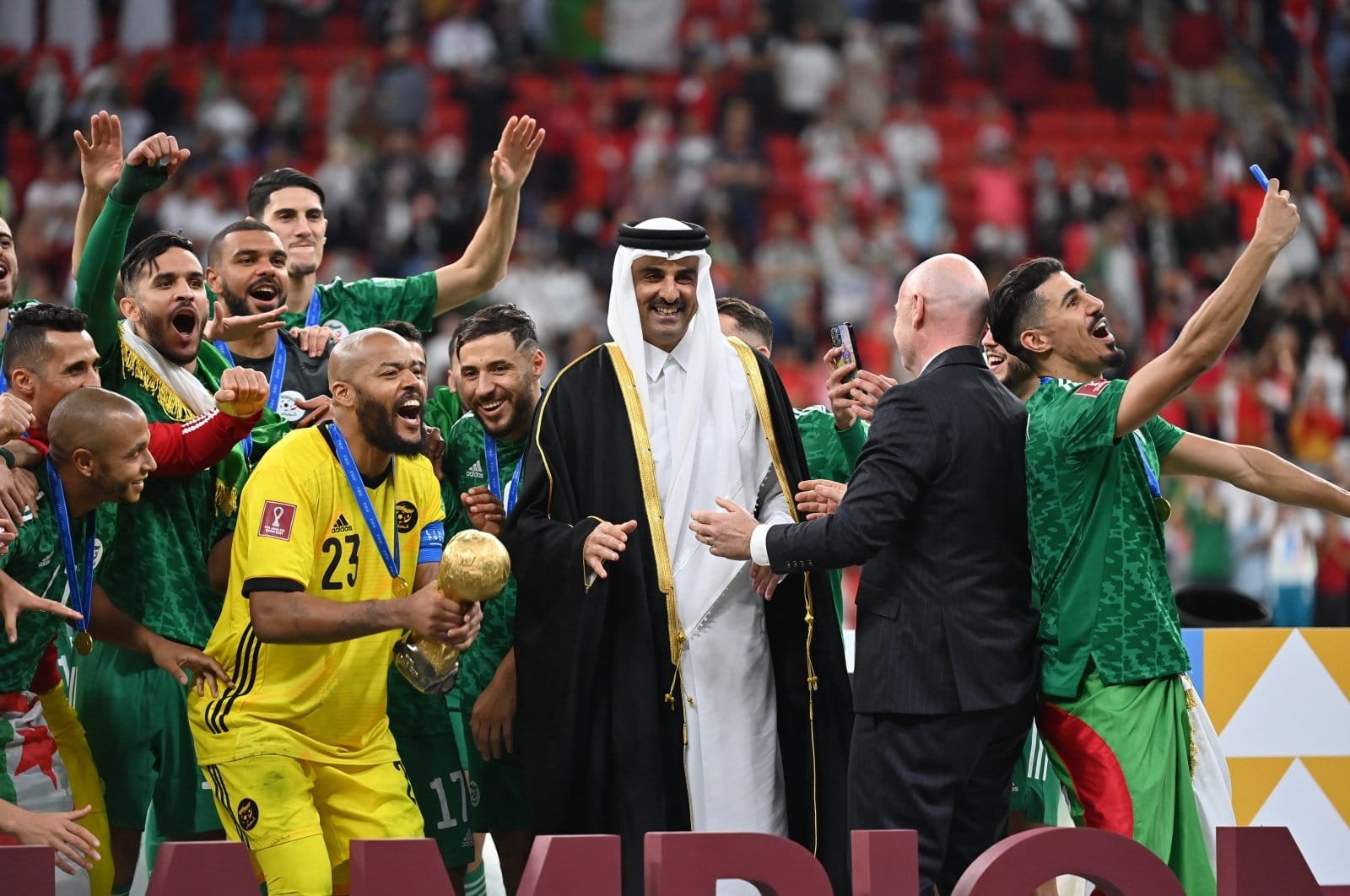
The FIFA Arab Cup is more than football—it represents cultural unity.
Cultural Impacts:
- Celebrates Arab traditions, music, and food.
- Promotes national pride among fans and players.
- Provides a platform for the Arab diaspora to connect with home countries.
During tournaments, stadiums host fan zones, cultural events, and traditional performances. The Cup strengthens ties across Arab nations and introduces Arab culture to international visitors.
Economic and Social Impact
Hosting the FIFA Arab Cup stimulates economies:
- Boosts tourism: International fans fill hotels, restaurants, and local attractions.
- Creates jobs: Construction, hospitality, media, and security sectors benefit.
- Encourages investment: Modern stadiums and sports facilities attract sponsors.
Socially, the Cup promotes youth participation in football, encourages regional unity, and provides a sense of pride and identity.
Infrastructure Development
The tournament drives massive improvements in infrastructure across host nations. New stadiums featuring advanced cooling systems, sustainable architecture, and digital fan services showcase the progress of Arab sports facilities. Transportation networks—metros, roads, airports—expand to accommodate rising visitors.
These infrastructure upgrades remain long after the tournament, benefiting local communities and future sporting events. Young athletes gain access to better training grounds, and clubs use improved stadiums for domestic leagues. This structural growth forms the backbone of future football excellence in the region.
Key Infrastructure:
- Stadiums with cooling systems and energy-efficient designs.
- Upgraded transportation networks, airports, and roads.
- Fan zones and entertainment areas for enhanced spectator experience.
These developments leave a lasting legacy, supporting local sports and urban development beyond the tournament.
Challenges in History
Despite its success, the Arab Cup faced challenges:
- Irregular scheduling led to gaps in continuity.
- Political tensions affected participation in some years.
- Financial and sponsorship issues caused cancellations (e.g., 2009 edition).
FIFA’s involvement has stabilized the tournament, ensuring regular scheduling and global recognition.
FIFA’s Role in Modern Arab Cup
FIFA management introduced several improvements:
- Four-year cycle for stability.
- Higher media coverage and broadcasting rights.
- Standardized tournament rules and regulations.
- Incentives for federations to invest in youth programs.
These changes have elevated the Arab Cup to a global standard tournament, boosting its prestige and reliability.
Future of the FIFA Arab Cup
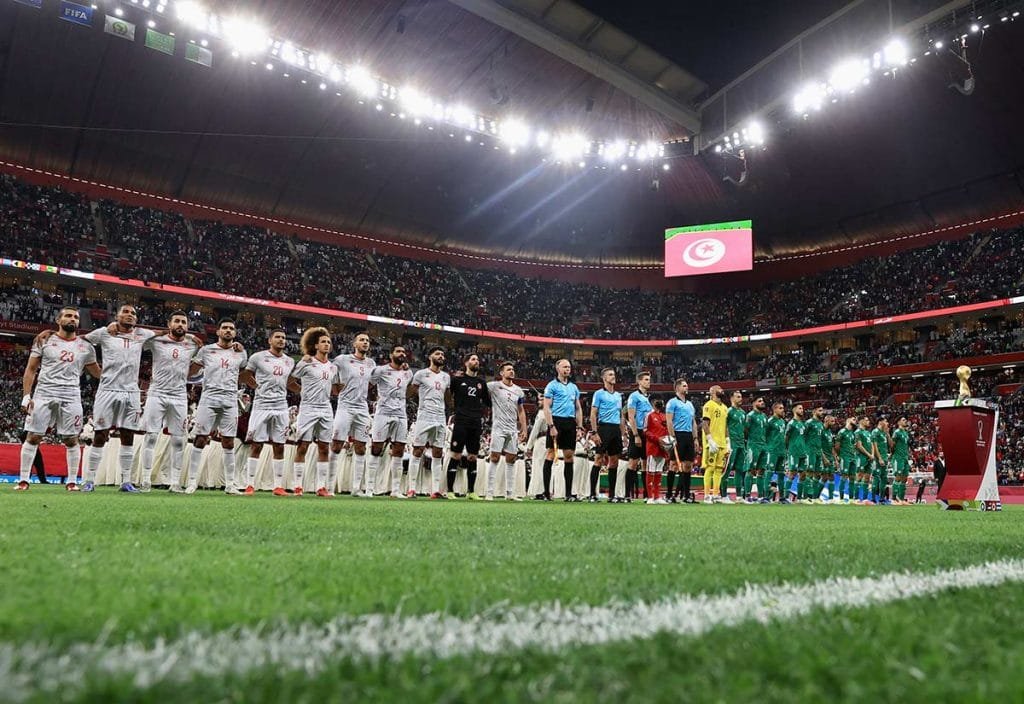
The future of the FIFA Arab Cup looks bright. FIFA confirmed that the tournament will follow a regular four-year cycle. Future editions may include expanded teams, enhanced technology, and larger global broadcast coverage.
Expected developments:
- Greater investment in youth football.
- Stronger women’s football programs in Arab nations.
- Modern training centers and academies.
- Continued cultural exchange and global visibility.
The Arab Cup will continue to shape regional football and influence international competitions.
Read More: India Refuses to Accept Asia Cup Trophy 2025
Global Significance
The FIFA Arab Cup has global importance:
- Expands football’s reach to Arab nations.
- Gives Arab players international exposure.
- Encourages cultural exchange among fans worldwide.
- Influences FIFA and global football policies to include new regions.
It builds bridges between Arab nations and the world, using football as a tool for understanding and unity.
Legacy and Impact
The FIFA Arab Cup’s legacy is profound:
- Cultural pride and international recognition for Arab football.
- Stronger infrastructure and sports facilities in host nations.
- Empowerment of youth and development of new talent.
- Inspiration for future global tournaments in the Arab world.
This tournament has cemented its place as a critical component of global football culture.
Wrap Up!
The FIFA Arab Cup represents the evolution of Arab football from regional beginnings to a FIFA-recognized global event. It celebrates Arab culture, unites nations, and inspires young athletes. With FIFA’s support, the tournament now has a permanent place in the international football calendar.
Its legacy is far-reaching: infrastructure improvements, economic benefits, cultural promotion, and sports development. Fans across the globe continue to witness the Arab world’s passion and skill on the football stage.
The Arab Cup is more than a tournament; it is a bridge connecting cultures, shaping future football stars, and leaving a lasting impact on the world.